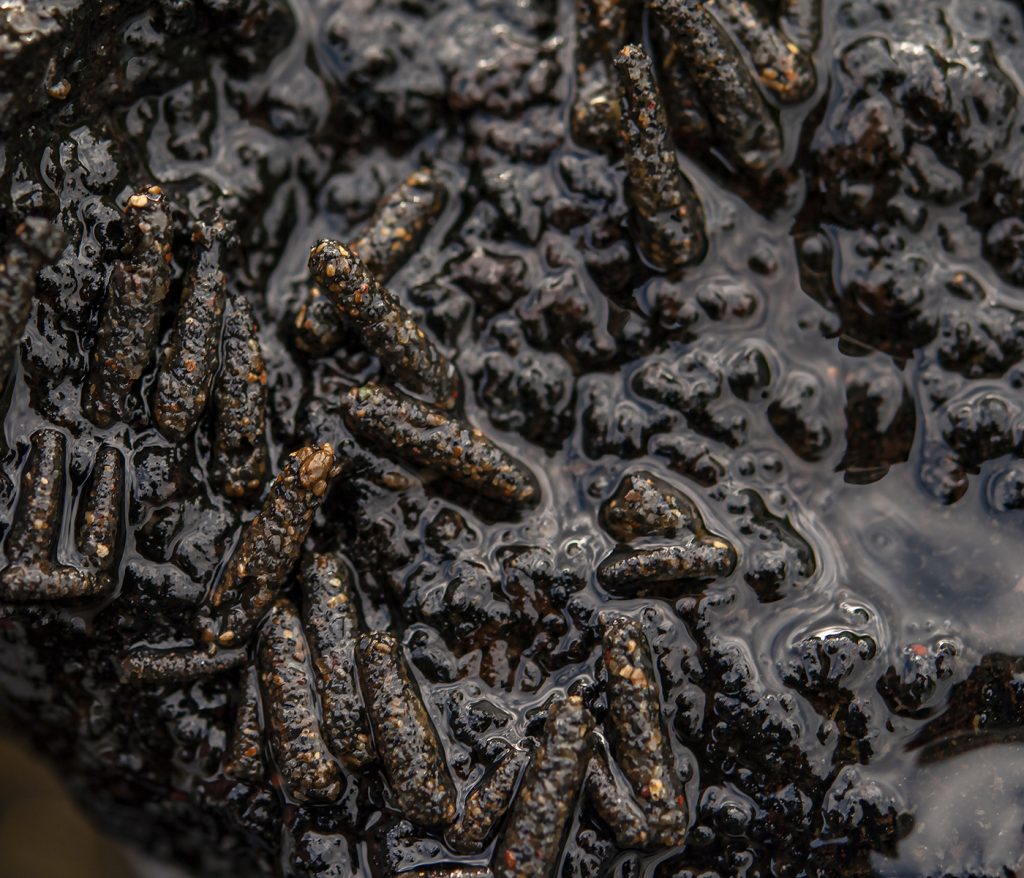

Czech nymph fishing has become a staple in fly fishing. The technique originated in Eastern Europe, particularly in the Czech Republic, Slovakia, and the Balkan countries. This method involves using long rods, extended leaders, multiple dropper flies, and heavy nymphs. The flies are fished by casting upstream, using only the leader, and allowing the flies to drift naturally with the current. This approach lets the flies sink quickly to the bottom without being dragged upward by the current pulling the line and leader. Anglers keep the rod tip downstream, carefully tracking the leader, and strike at any unusual movement — a tug, tension, or lift — often resulting in a hooked fish.
This technique offers an exciting way to fish, though it has its detractors. Some argue it’s not “true” fly fishing since it involves minimal casting and little use of the fly line. Nonetheless, Czech nymphing is highly effective when fish aren’t feeding on the surface or when fishing fast-flowing waters with deep holes and eddies.
By Håkan Karsnäser
Continue reading “Czech Nymph Fishing: A Timeless Fly Fishing Technique”