Czech Nymph Fishing: A Timeless Fly Fishing Technique

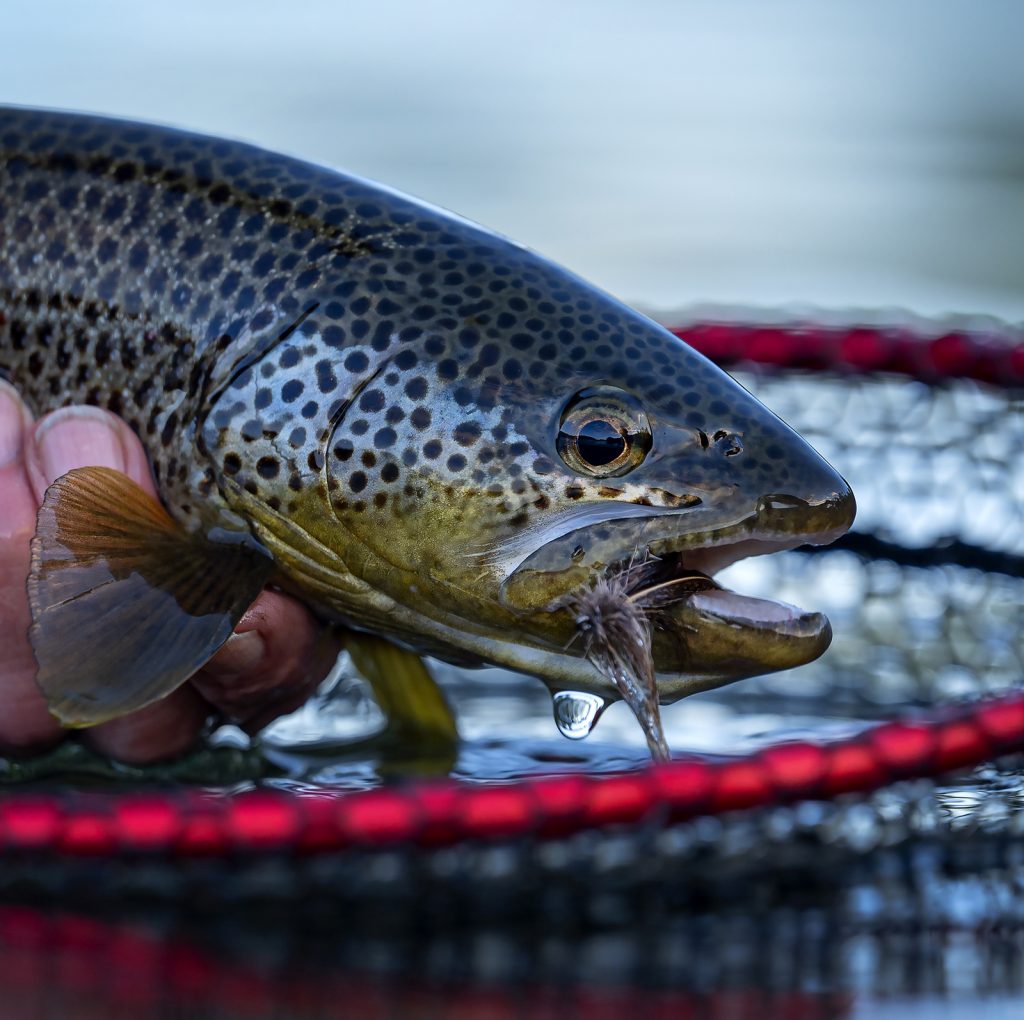
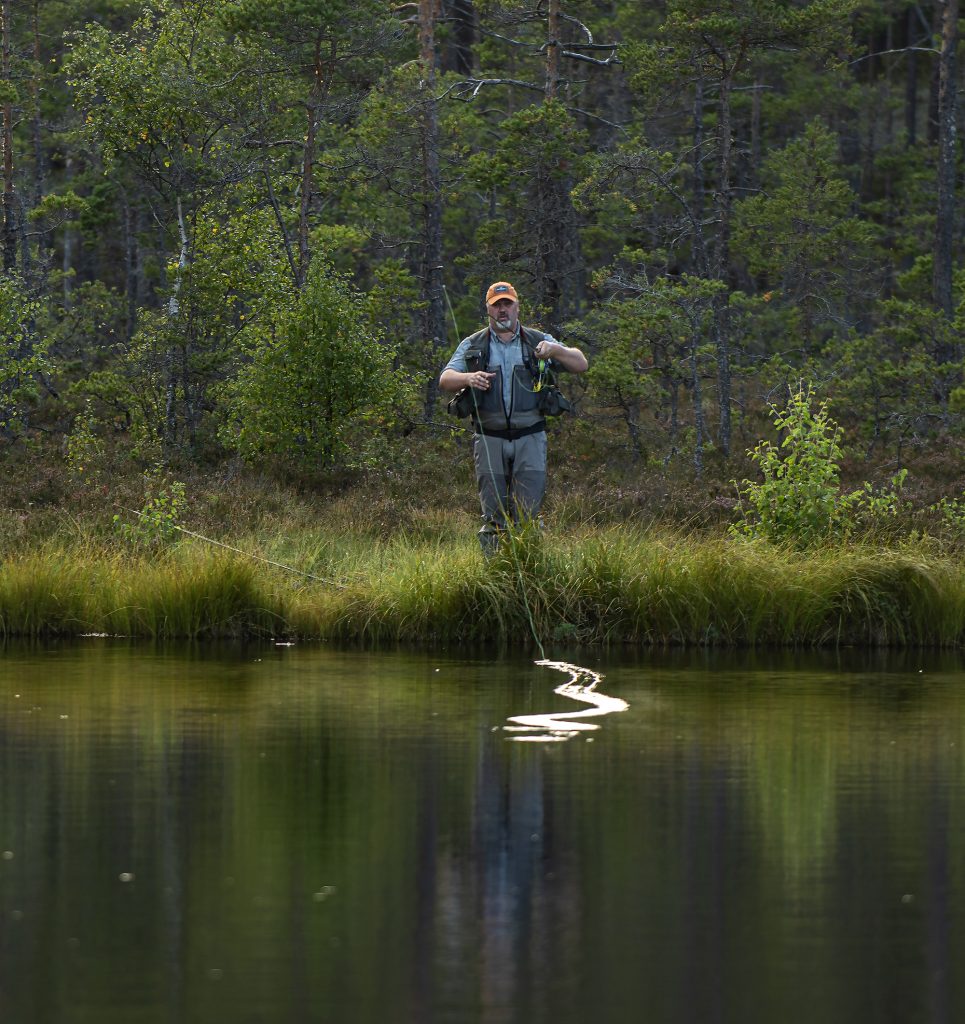
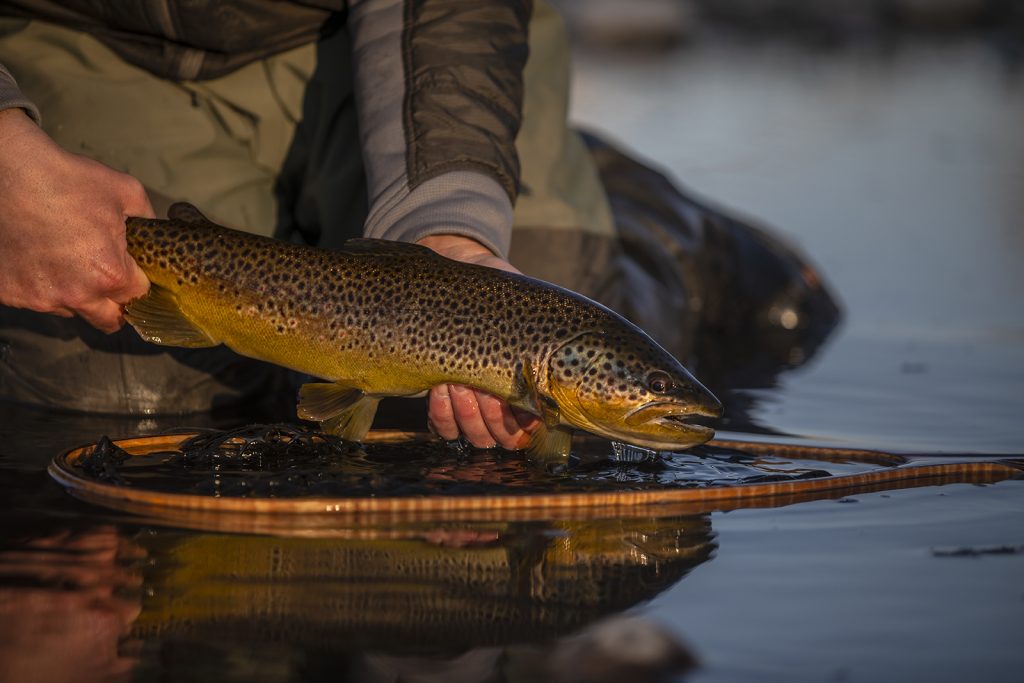
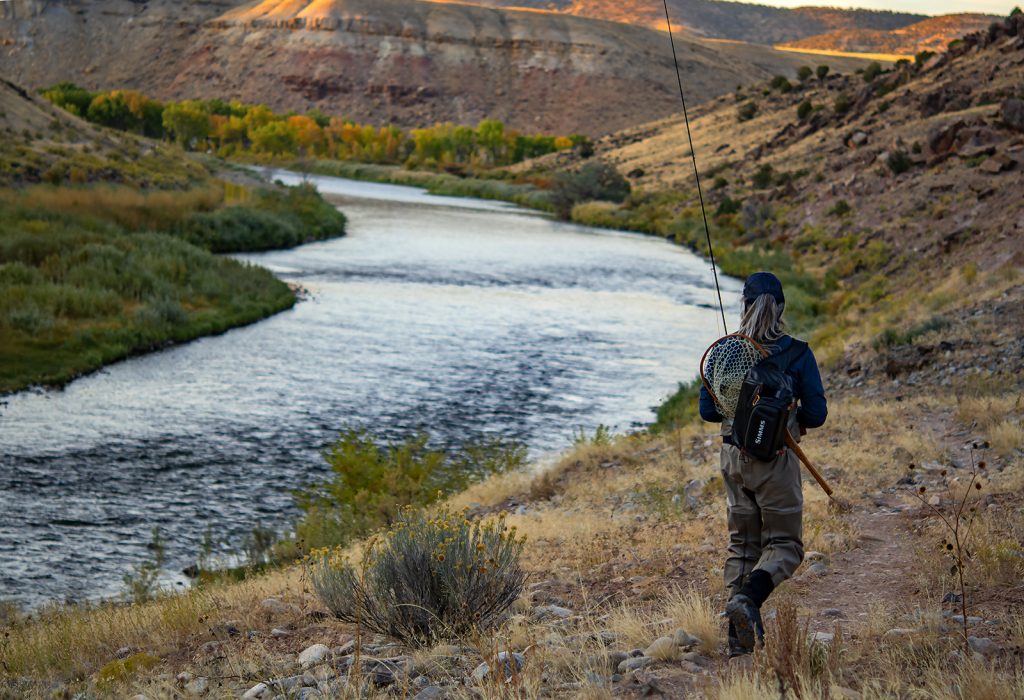
Czech nymph fishing has become a staple in fly fishing. The technique originated in Eastern Europe, particularly in the Czech Republic, Slovakia, and the Balkan countries. This method involves using long rods, extended leaders, multiple dropper flies, and heavy nymphs. The flies are fished by casting upstream, using only the leader, and allowing the flies to drift naturally with the current. This approach lets the flies sink quickly to the bottom without being dragged upward by the current pulling the line and leader. Anglers keep the rod tip downstream, carefully tracking the leader, and strike at any unusual movement — a tug, tension, or lift — often resulting in a hooked fish.

This technique offers an exciting way to fish, though it has its detractors. Some argue it’s not “true” fly fishing since it involves minimal casting and little use of the fly line. Nonetheless, Czech nymphing is highly effective when fish aren’t feeding on the surface or when fishing fast-flowing waters with deep holes and eddies.

By Håkan Karsnäser

Continue reading “Czech Nymph Fishing: A Timeless Fly Fishing Technique”
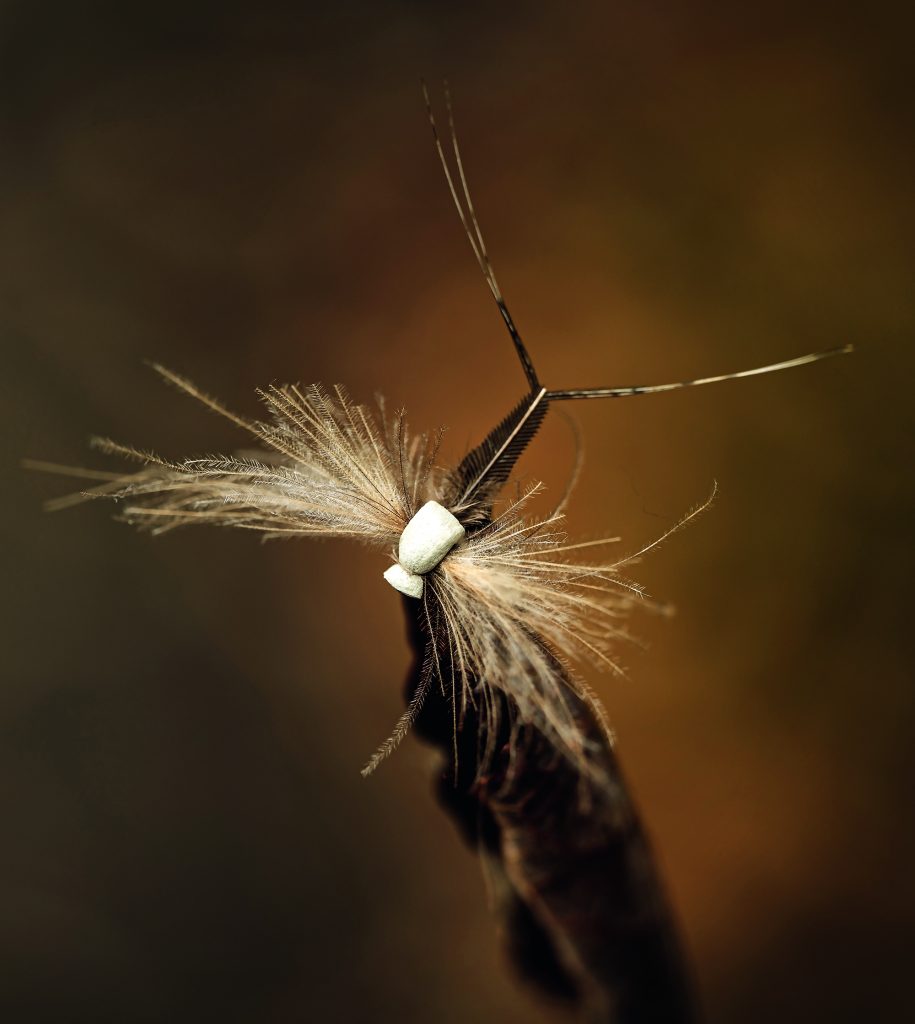
The Foampuppa Grandis

Unlike mayflies and stoneflies, the caddisflies undergoes a “complete development”. The former develop from nymph to finished insect immediately, while the caddis leaves the larval stage as a pupa, which seeks to the surface or crawls on something to hatch into a finished caddis. All stages of the development are important for the fly tyer to imitate, but the pupa is in many cases the most desirable and easily accessible to the fish.

By Håkan Karsnäser

Continue reading “The Foampuppa Grandis”

Mayflies

Ephemera Danica and Ephemera Vulgata

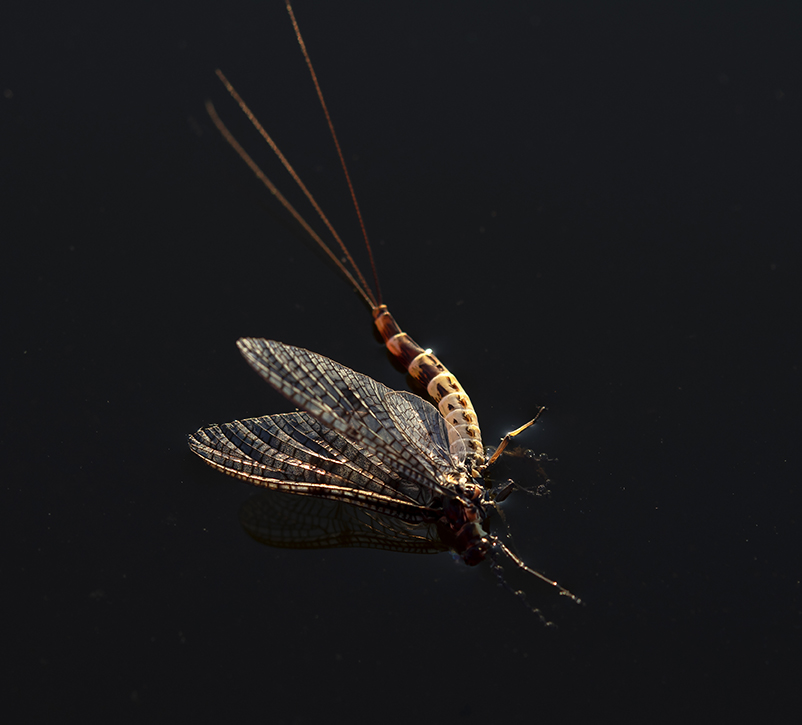
During late spring and early summer, the largest mayflies in our waters, Ephemera danica and Ephemera vulgata, emerge. In English, they are known as mayflies, a term that has become synonymous with all mayfly species, even those that do not hatch during this period. For many fly fishers, a newly emerged mayfly epitomizes fly fishing itself, and it’s easy to understand the fascination with these insects.

Continue reading “Mayflies”

Wigdell’s CDC Spent

Simple and effective dry fly:

Dry fly fishing in Denmark is not quite as gloomy an experience as some rumours make it out to be. There are both beautiful trout and fine streams to be found out there for the seeking fly fisherman. Stuff some simple and effective CDC flies into the box and get ready to extend your season with the fly rod.

By Peter Lyngby

(this artickle has been published in the danish magazine “Sportsfiskeren”)

Continue reading “Wigdell’s CDC Spent”

Ammarnäs

Where the road begins and home for the Ammarnäs trout and trophy Grayling

The village Ammarnäs is located in the western part of Swedish Lapland in Northern Sweden and around 100-200 people lives here, depending on season The slogan for Ammarnäs is,” Where the road begins” and if you look at the map, you can see why, or choose to see that only one road leads from or to Ammarnäs. If you travel up here by car or by bus, you can make a pitstop in the little bigger society Sorsele and pay a visit at Hook and Cup Sorsele Visitor Center. They have staff that knows a lot about flyfishing a little shop with fishing gear, a cafe and a museum. From Sorsele it´s only 90 kilometers on the road left up to Ammarnäs and the brown trout paradise.

By Mikael Lindström

Photos by Mikael Lindström, Henrik Kure & Morten Valeur

(this artickle has been published in thonline magazine “FFE Magazine”)

Continue reading “Ammarnäs”

A floating treat

XL size caddisflies whet the appetite and curiosity of many trout. Even when insects are sparse on the surface, a stripped Grandis can be a winner on the river or trout lake. Here, renowned Swedish fly tyer Håkan Karsnäser explains how to tie his popular dry fly treat.

By Peter Lyngby

(this artickle has been published in the danish magazine “Sportsfiskeren” and the online magazine “In The Loop Magazine

Continue reading “A floating treat”

Mayfly fishing – try a Modified French Partridge

The hatch of the large mayfly, Ephemera Danica, is a high point in most trout fishers’ season. Read along to get a few tips from seasoned dry fly fisherman, John Petermann, as he shares his  favourite flies – and a joker.

By Peter Lyngby

(this artickle has been published in the danish magazine “Sportsfiskeren” and the online magazine “In The Loop Magazine”)

Continue reading “Mayfly fishing – try a Modified French Partridge”

Essentials

Photo: Matt Guymon / Freestone Rivers Photography.

If you’re fly fishing for trout and grayling, you won’t get far without a good imitation of both mayflies and caddis. In the books and online there are literally hundreds of specific patterns and styles to choose from. Some of them we’ve featured here on the blog and some on our YouTube-channel, but I don’t think we’ve ever touched on the X-Caddis and the Sparkle Dun.

Continue reading “Essentials”

Burned Wings

It’s the middle of August and some of us (myself at least) are looking forward to cooler weather and autumn fishing. Autumn is by far my favourite time of year and has plenty to offer in terms of fishing. One thing that some tend to overlook is the fact that hatches of both may flies and caddis can pick up a little and offer some surface action. At this exact time, I’d concentrate my effort in the evenings and early night. Just as sea trout, big browns like big flies fished just under the surface (just letting you know).

Continue reading “Burned Wings”

Midges

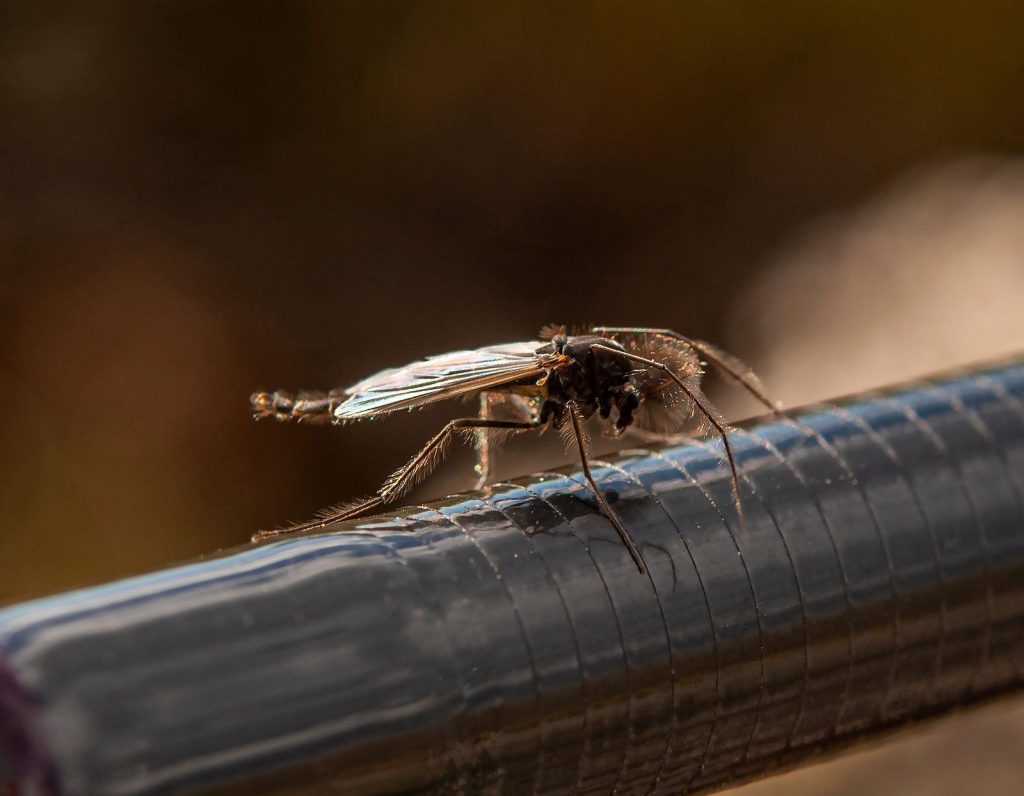
Late summer, early autumn and proximity to water leaves one certainty in life. Midges! Som love them (very few), some hate them (most) and some endure them (fly fishers). As fly fishers we must love them. Yes, sometimes there are so many that it’s impossible to do anything. You can go prepared – bug stopper clothing, repellant, mosquito net over the head and that helps. But dole always find their way in anyway. Especially the “knot” that most Scandinavians know. The smallest creature on the planet that can drive a seasoned anglers to insanity!

Continue reading “Midges”