

When Daniel D. Holm finally cracked the code to catching Danish salmon, he was certain the flies deserved part of the credit. A series of experiments and diligent test fishing have been distilled into three seasonal variations of the same basic design. Join Daniel as he shares a simple recipe for salmon success.
By Peter Lyngby
(this artickle has been published in the danish magazine “Sportsfiskeren”)
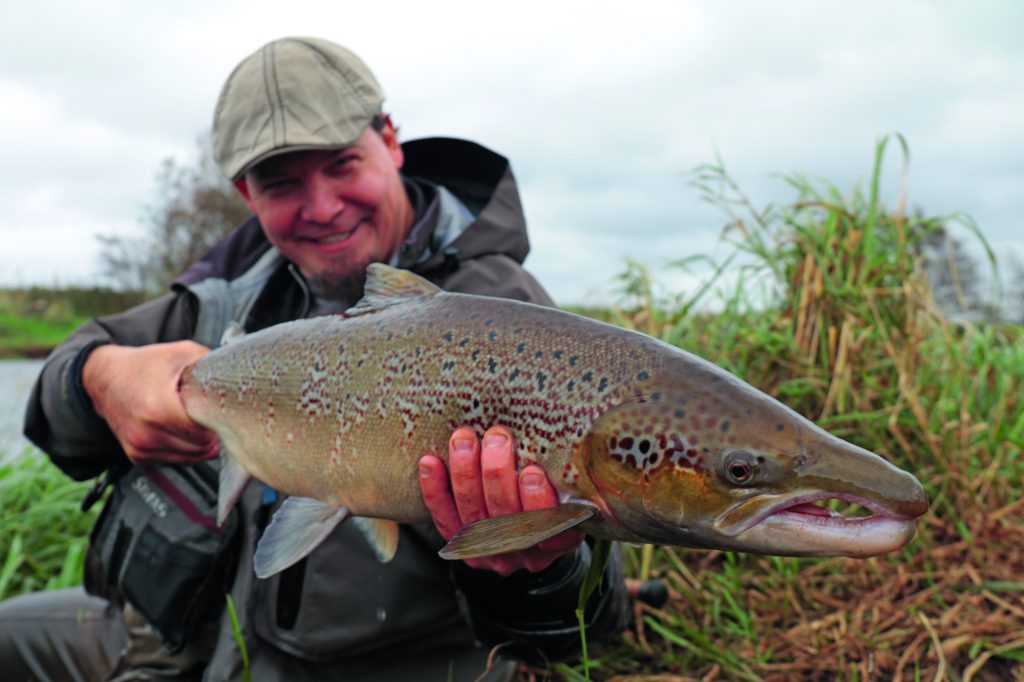
Salmon Fishing with Flies: A Challenge
Fly fishing for salmon is not the easiest endeavor. To succeed, fly fishers must cling to the faint hope found in refining techniques, gear, and flies. Once infected by the “salmon fever,” there’s no turning back. You simply must fish for salmon. Perhaps for this reason, countless books have already been written on strategies, techniques, and flies for salmon fishing. A significant portion of these books focus exclusively on the flies. As seasoned salmon fishers often say, “The salmon season is short, but the fly-tying season is long.”

The Birth of a Salmon Angler
One of the tips commonly shared among salmon fly fishers is the importance of believing in your fly. The challenge, of course, is learning how to believe in a fly. Daniel D. Holm wrestled with this and other questions for years before finally mastering salmon fishing both domestically and abroad. Today, Daniel spends most of his salmon-fishing time along the Storå River, but he vividly recalls his challenging beginnings.

“In hindsight, I was simply too impatient to be a good salmon angler,” Daniel reflects. “I have a naturally high energy level and used to dash around rivers and streams, fishing so frantically that I could barely stay awake. For years, I chased the elusive salmon without success. It wasn’t until a trip to Russia that I began to understand what fly fishing for salmon is all about.
“During that trip, I worked tirelessly, pushing myself to exhaustion, while everyone else was catching salmon. Eventually, our Russian guide took pity on me. He pulled me aside and explained that I was behaving like an overzealous hunting dog, frantically scouring the entire field. Instead, I needed to think like a Labrador—approach salmon fishing with patience, insight, and strategy.
“After a few simple instructions, my salmon fishing turned around completely. I started catching salmon in Russia and soon at home as well. Adopting the right mindset for salmon fishing is crucial. My wife even jokes that other things in my head seemed to click into place once I began catching salmon,” Daniel laughs.
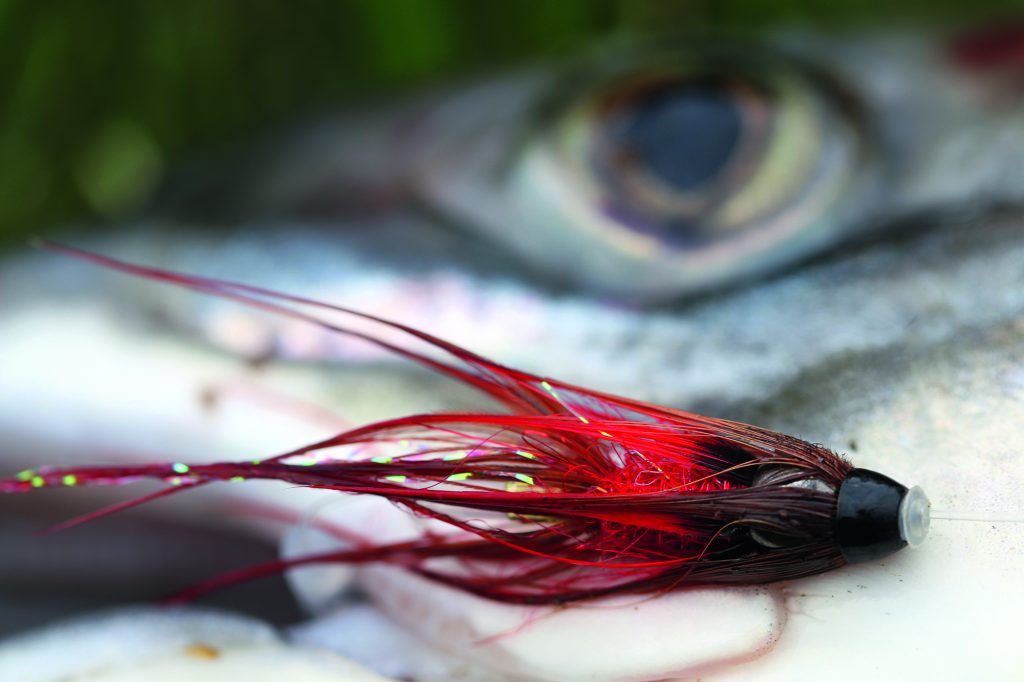
Astrid, Tilda, and Horstsokken
One of the flies Daniel first came to trust in Western Jutland was the salmon fly “Tilda.” Daniel discovered this fly through fellow angler Jonas Erbs. Before long, variations of the Tilda template were pouring from Daniel’s fly vise. Today, he alternates between just three flies for 95% of his fishing in the rivers of Jutland.
“I used Tilda extensively, and it became a favorite in my fly box. There’s something about flies tied with three hackles—not just for salmon. Consider the many effective coastal flies of the same style, like Brenda. Fish simply love them, and I’ve grown to trust them deeply. In the salmon genre, everyone knows the ‘Uldsokken’ and its countless variations. In the UK, there are numerous shrimp-style salmon flies based on three hackles.
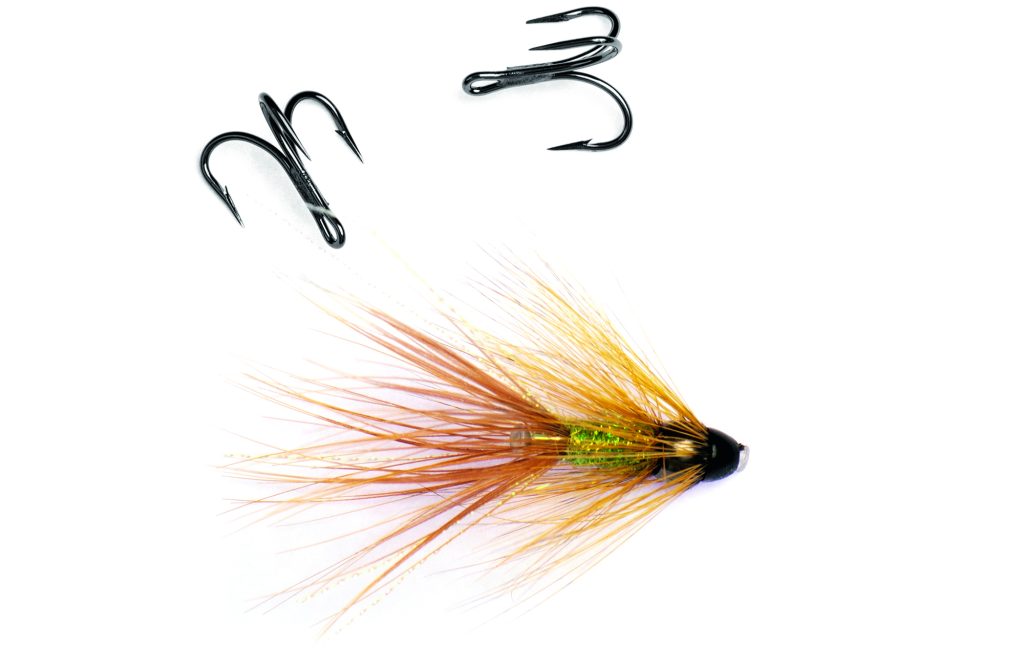
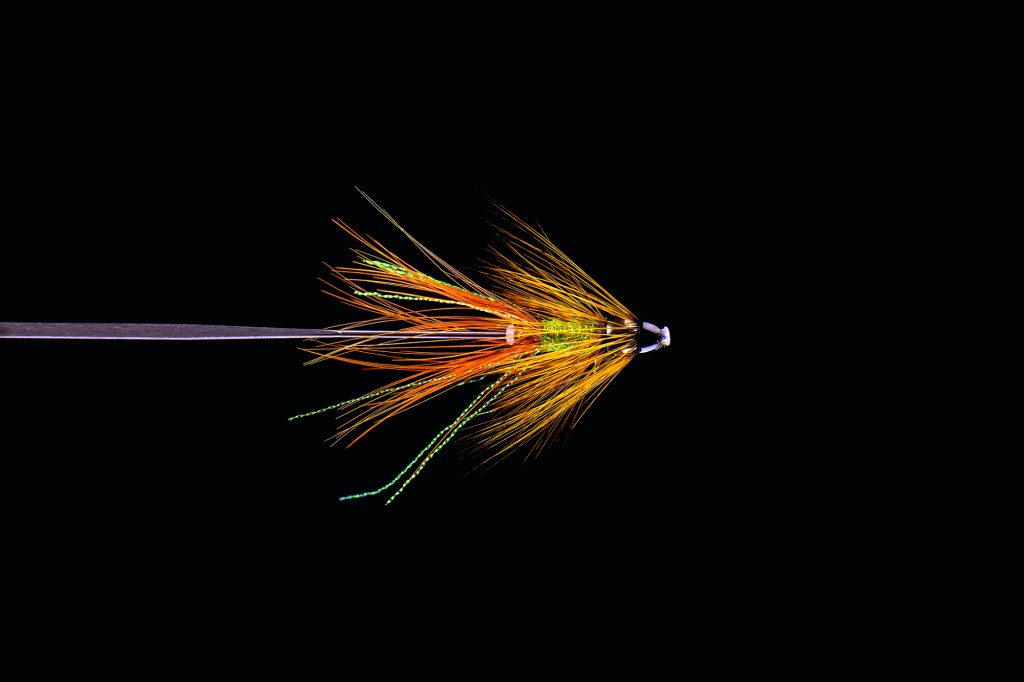
“As I began catching more Danish salmon, my confidence in smaller, lightly dressed flies grew. Tilda worked well, but I wanted a lighter fly for clear, low-water days and the idea for the fly ‘Astrid’ was born. My prototype proved to be a success, catching fish on its very first outings.
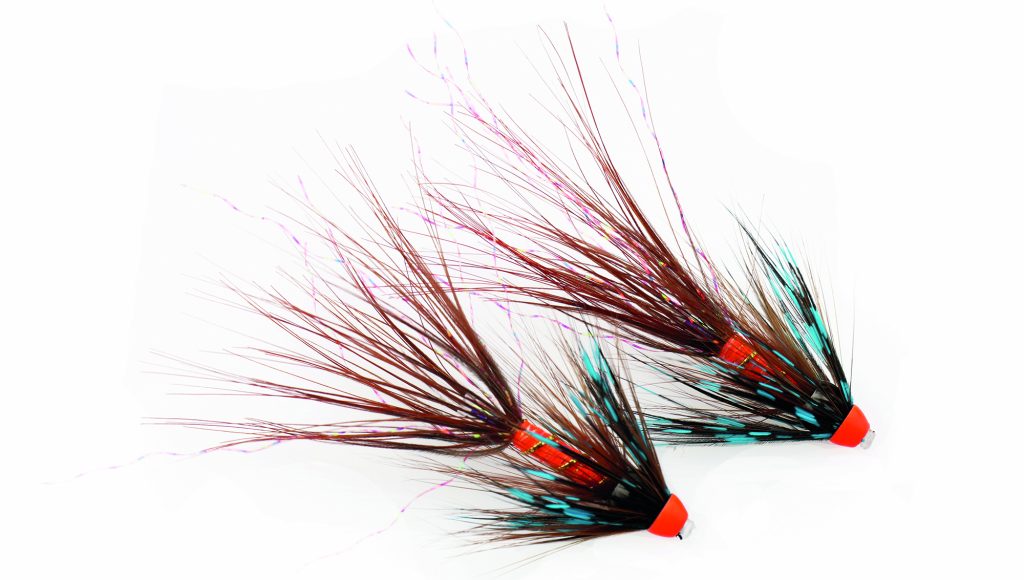
“My latest creation is a variation of the German fly tier Horst Bathen’s ‘Horstsokken.’ The original fly is tied on a double hook with a wing, but I adapted it to the same template as the Tilda and Astrid flies. My version of Horstsokken is perfect for high, colored water,” Daniel explains.
Technique and Tying Tips
Daniel has produced several short films on Jutland salmon fishing, available for free on YouTube. Instructional videos for all three flies are also available. Here are some additional insights from Daniel before he ties the “Astrid” fly:
“When fishing for salmon, the speed of the fly is often critical. It’s hard to explain the ‘perfect speed,’ but the fly should surprise the salmon—don’t give it too much time to think. This is where the Labrador mindset comes into play. Relax by the river, take your time, and observe the water before you start fishing. Visualize how the fly should move to achieve the right speed, and don’t hesitate to retrieve some line to speed it up.
“Focus your efforts on a single river stretch you like and know others have caught fish in. Experiment with different casts and angles. Over time, you’ll develop a mental map, enabling you to fish each spot effectively.
“When tying Astrid, Tilda, and Horstsokken, follow the recipe carefully. Use a little superglue on the weight but apply it sparingly to avoid contaminating the hackles. The design and weight of these flies make them fish-ready as soon as they hit the water. I always use loose-hanging hooks and a Swingtube hook guide with these flies. It may seem like a minor detail, but I’ve experienced situations with many salmon where the hook guide made a real difference.”
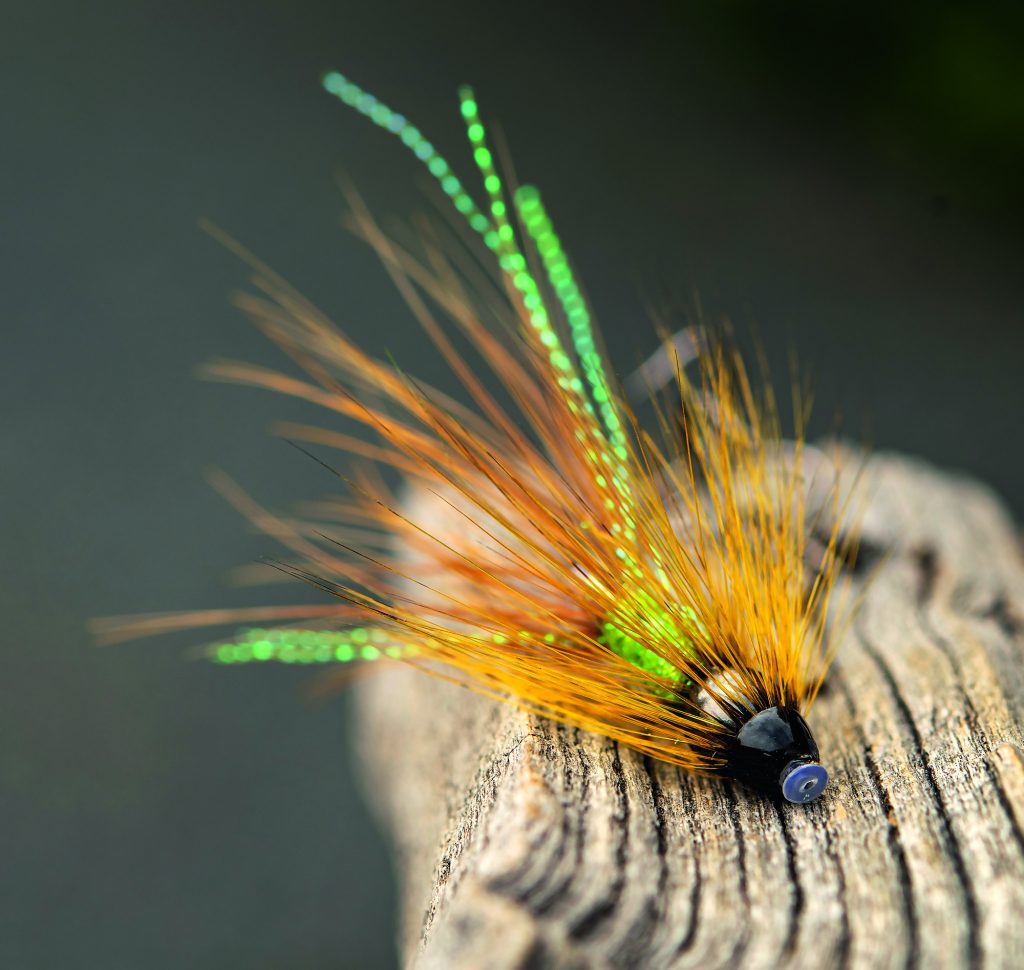
“There’s something magical about flies tied with three hackles—not just for salmon.”
Astrid Materials
- Tube: Classic tube, Clear
- Thread: White
- Butt: Veevus Holo Tinsel, Yellow
- Rear Hackle: Golden Pheasant, Yellow
- Flash: Midge Crystal Flash, Rootbeer
- Body: Ice Dub, Olive or Caddis Green
- Middle Hackle: Whiting Coq De Leon, Medium Ginger
- Weight: Pro Flexi Beads, Size 5.2 mm, Gunsmoke
- Front Hackle: Whiting Coq De Leon, Medium Ginger
- Head: Pro Conehead, Size XS, Black
Step-by-Step Instructions (Astrid)
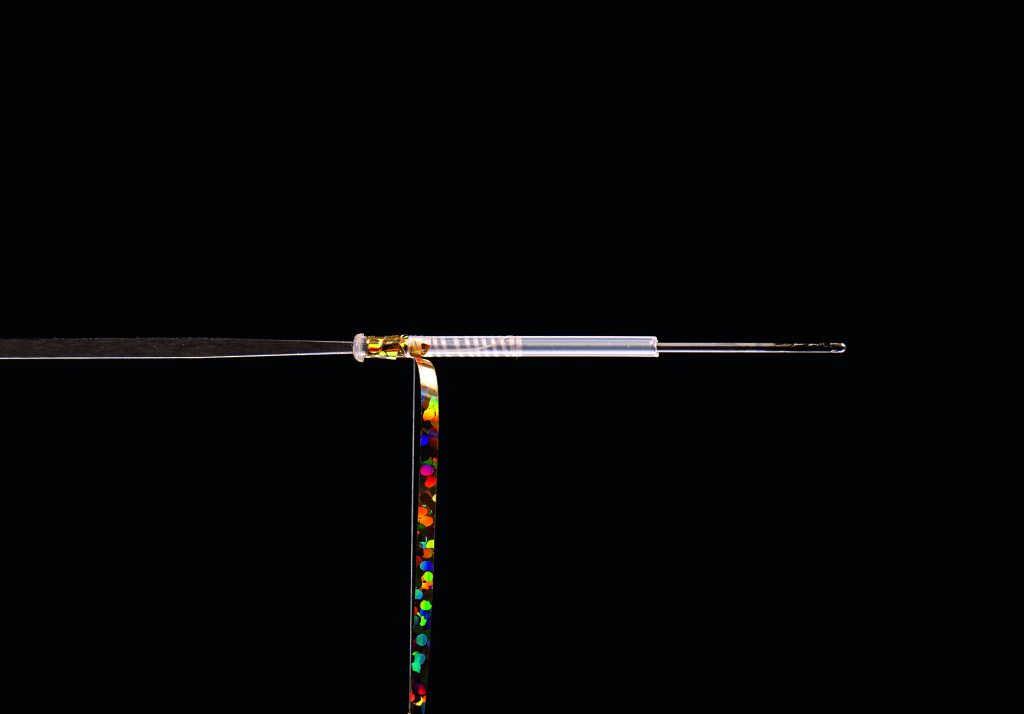
Melt a collar on the tube and tie a butt with the tinsel.
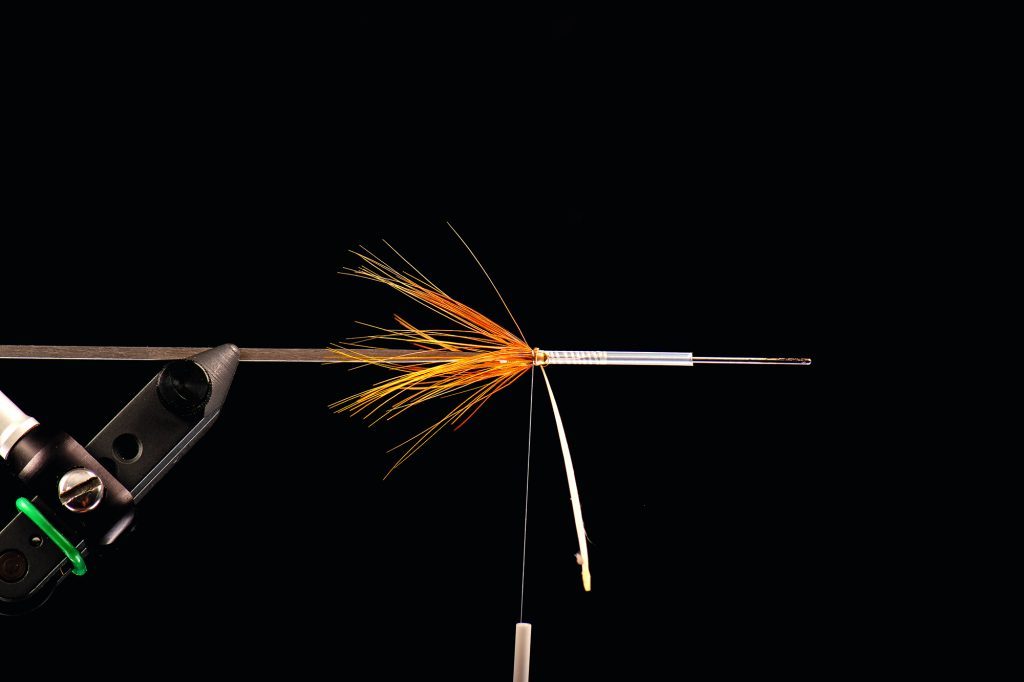
Attach the golden pheasant hackle and wrap it a few times in front of the butt.
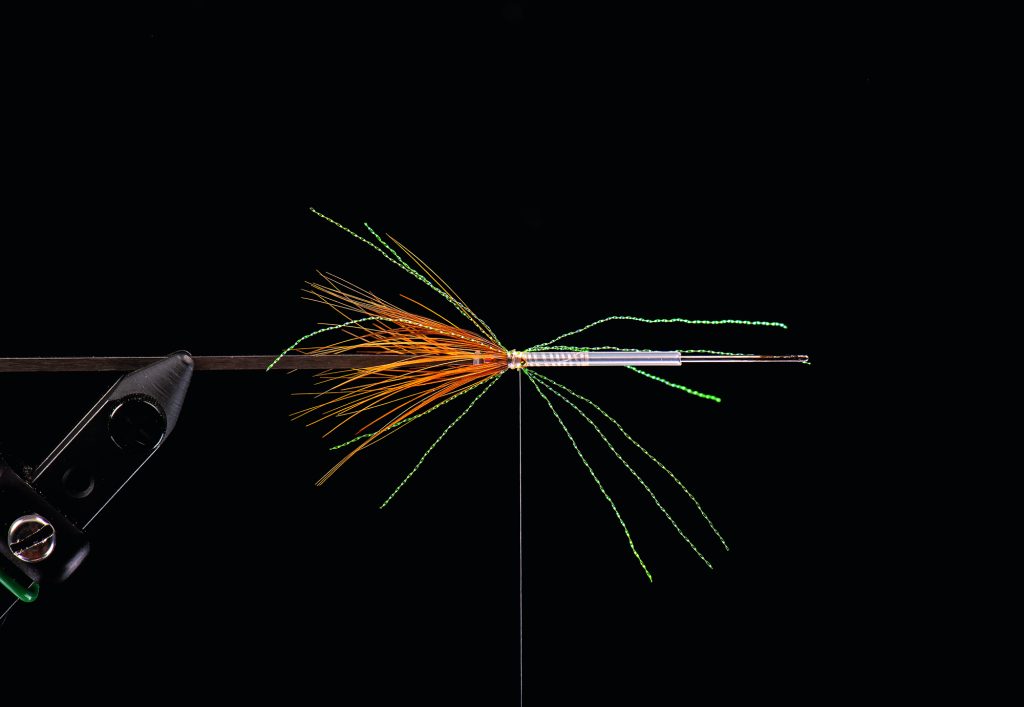
Add 5-6 strands of Crystal Flash in front of the hackle.
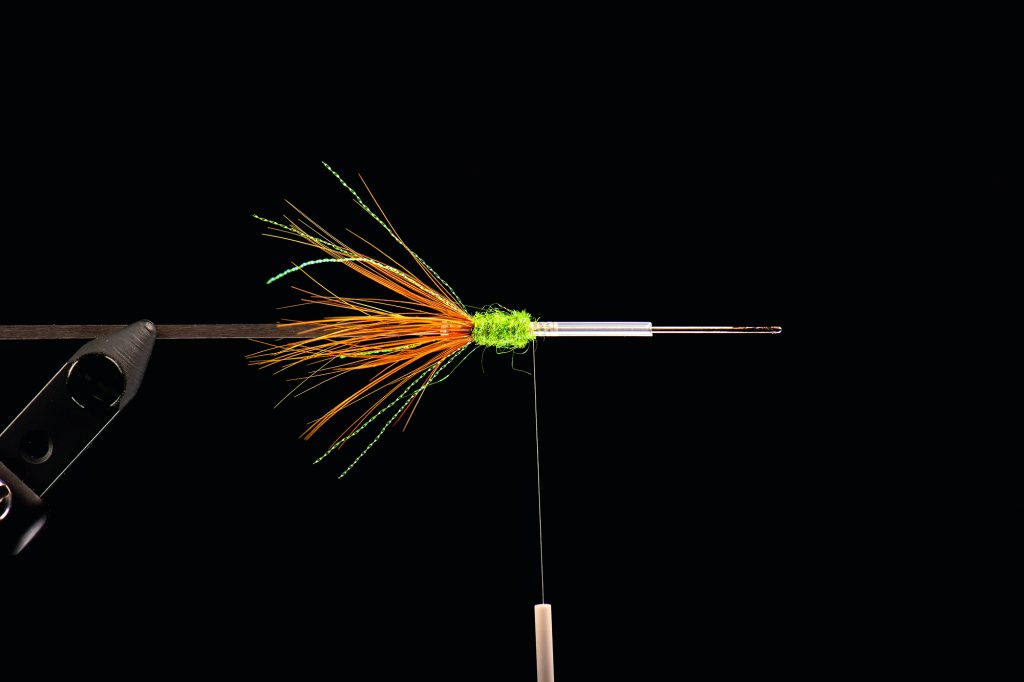
Dub a tapered body about half a centimeter long.
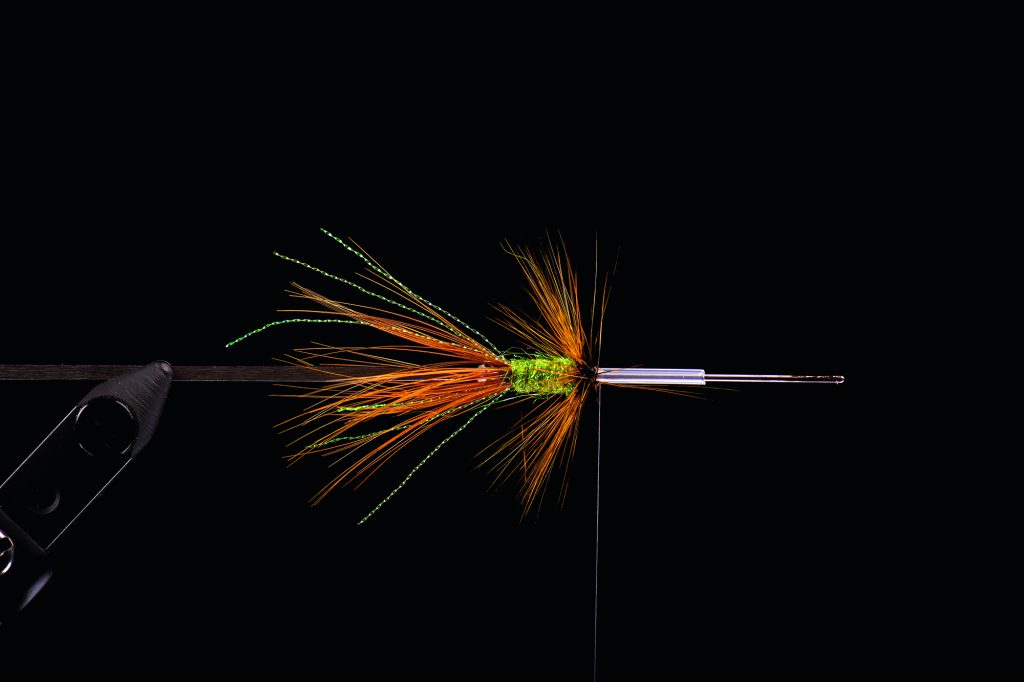
Attach and wrap the first CDL hackle in front of the body.
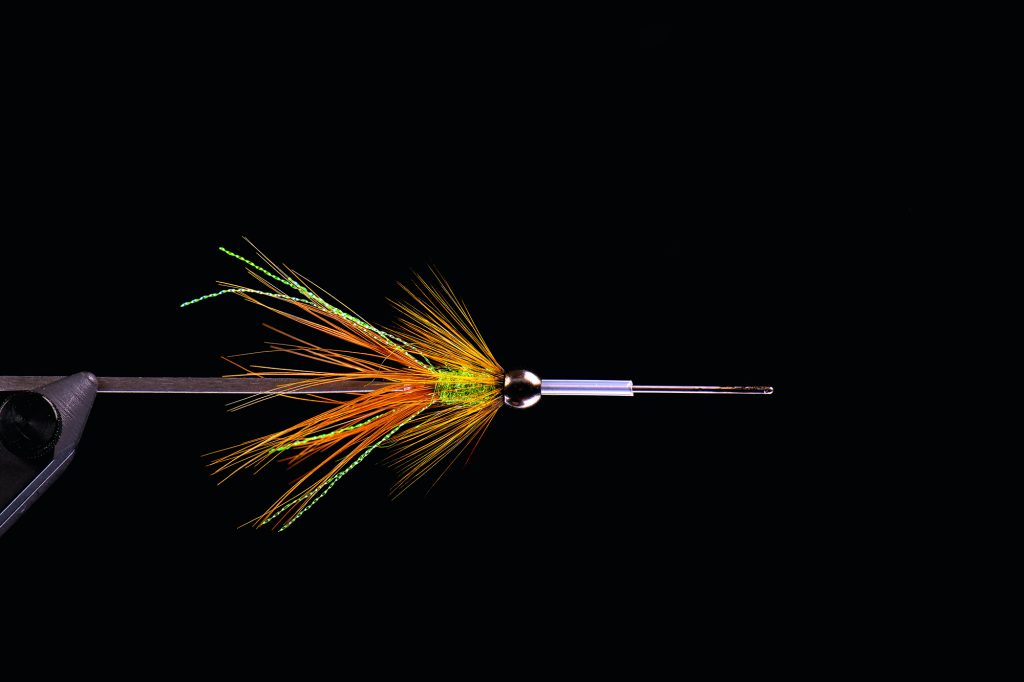
Apply a small amount of superglue on the tube and secure the weight.
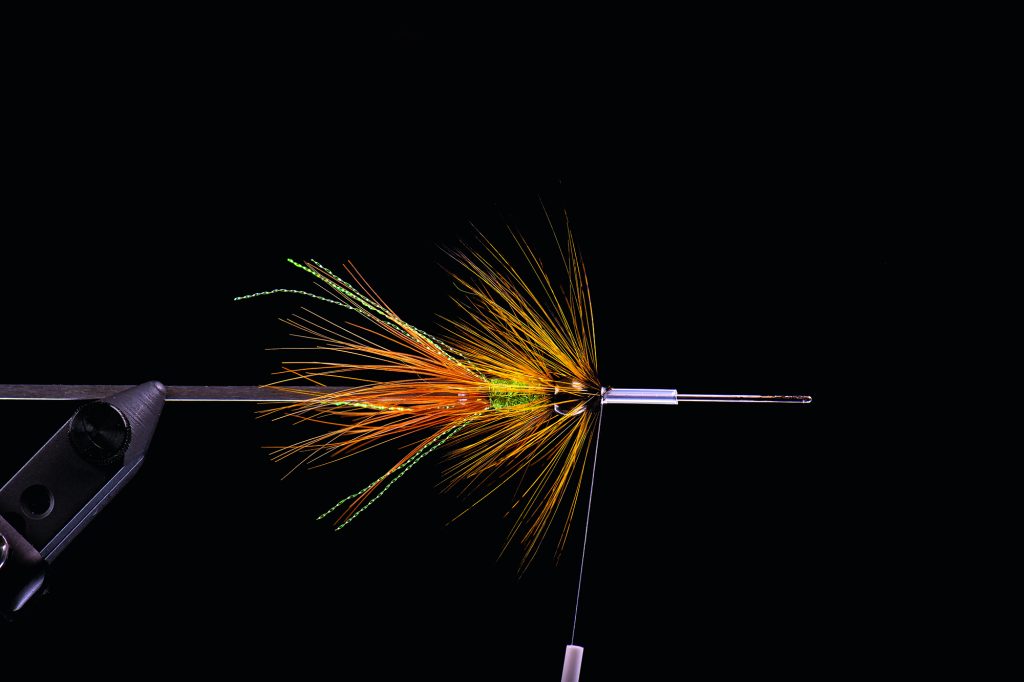
Attach and wrap the final CDL hackle in front of the weight.
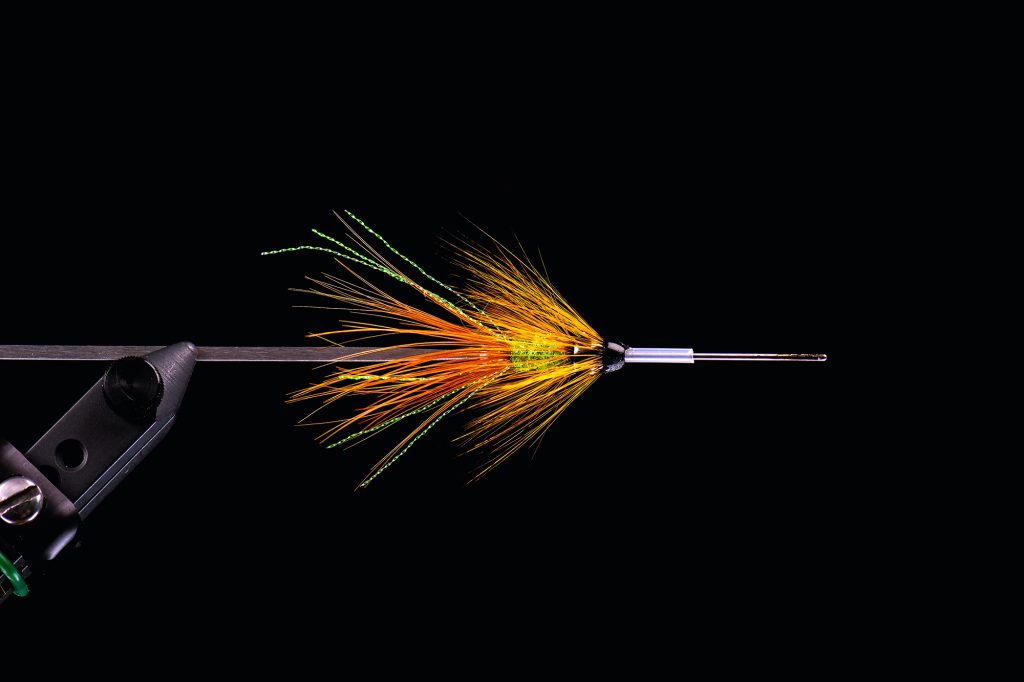
Apply superglue again, secure the conehead, and trim the tube. Finish with a lighter to melt the end.
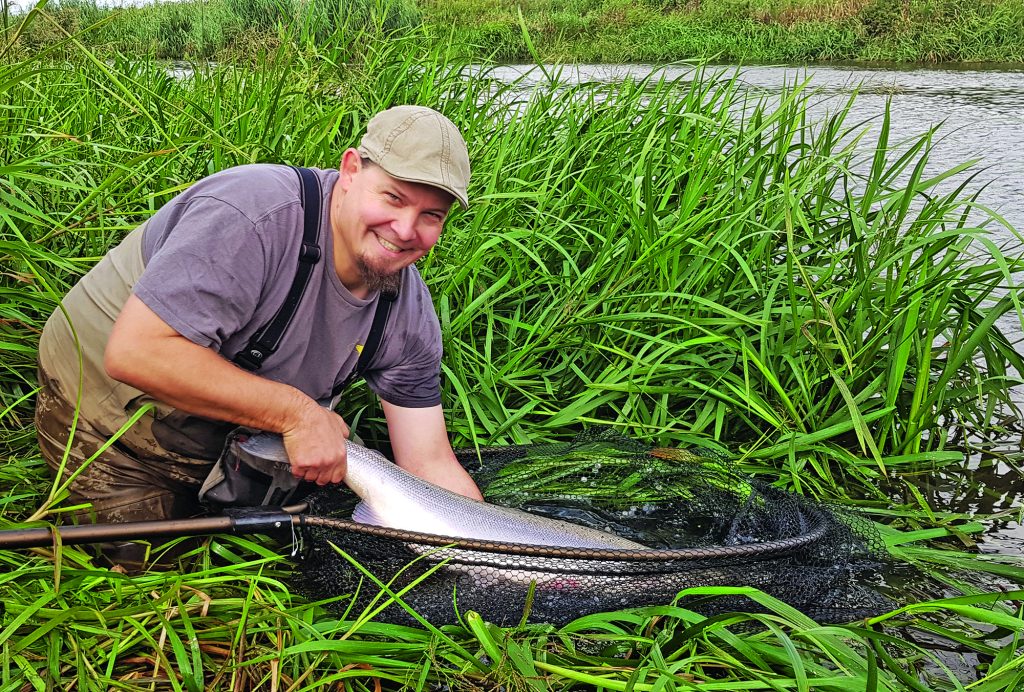
Daniel’s Salmon Tips:
- Stay focused and observant.
- Relax, take breaks, and enjoy the day by the river.
- Learn the holding spots in the river.
- Listen to experienced anglers.
- Fish deep and adapt your sinking lines to the conditions.
- Adjust your casts and ensure the fly moves quickly and efficiently.
- Check the hook if it snags the bottom.
- Change flies and try a new cast if you get a salmon’s attention.
