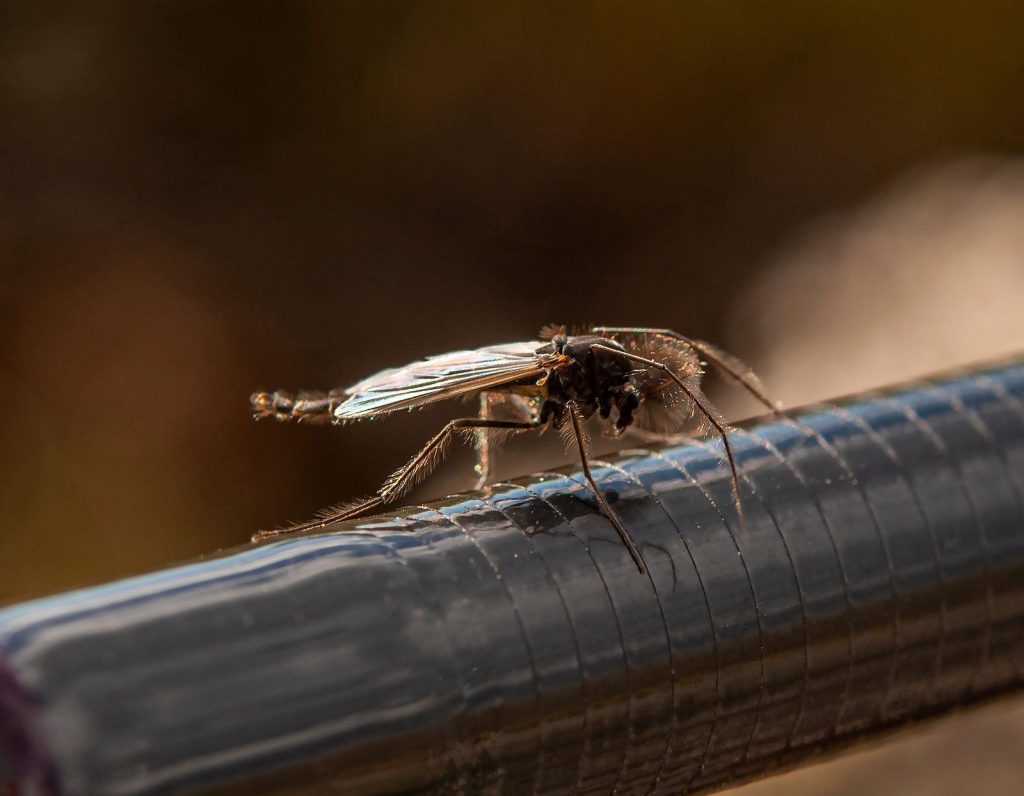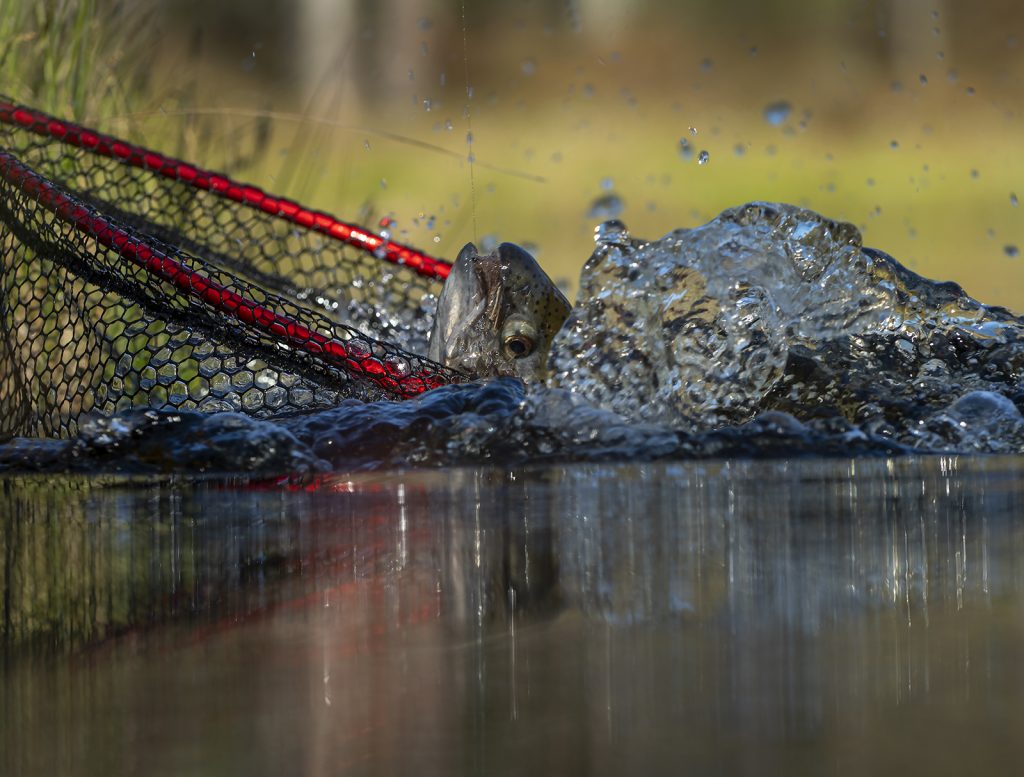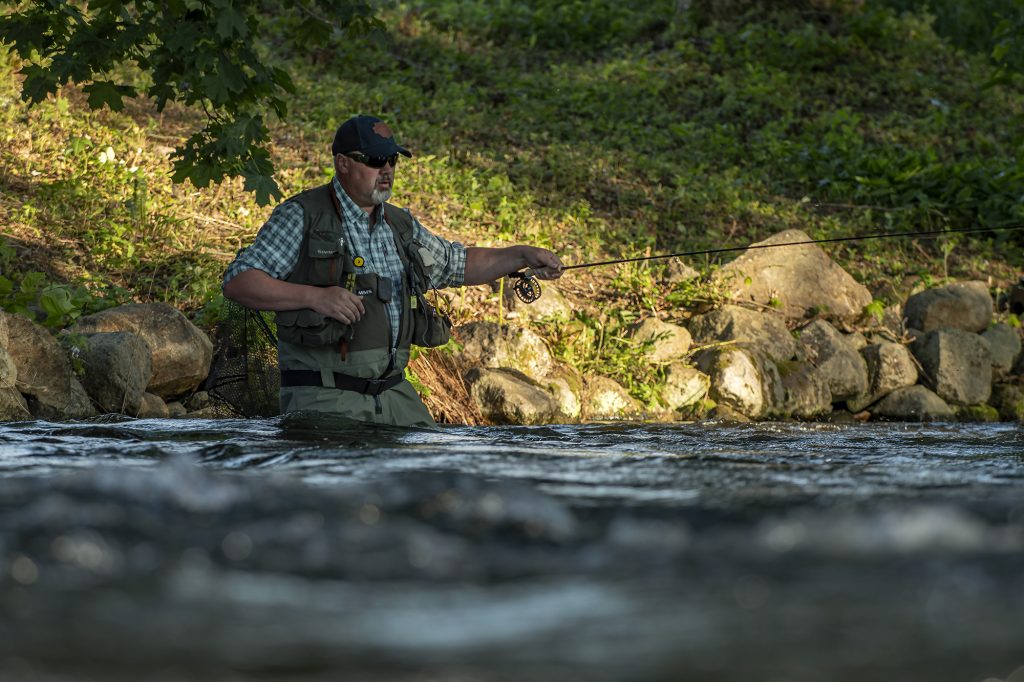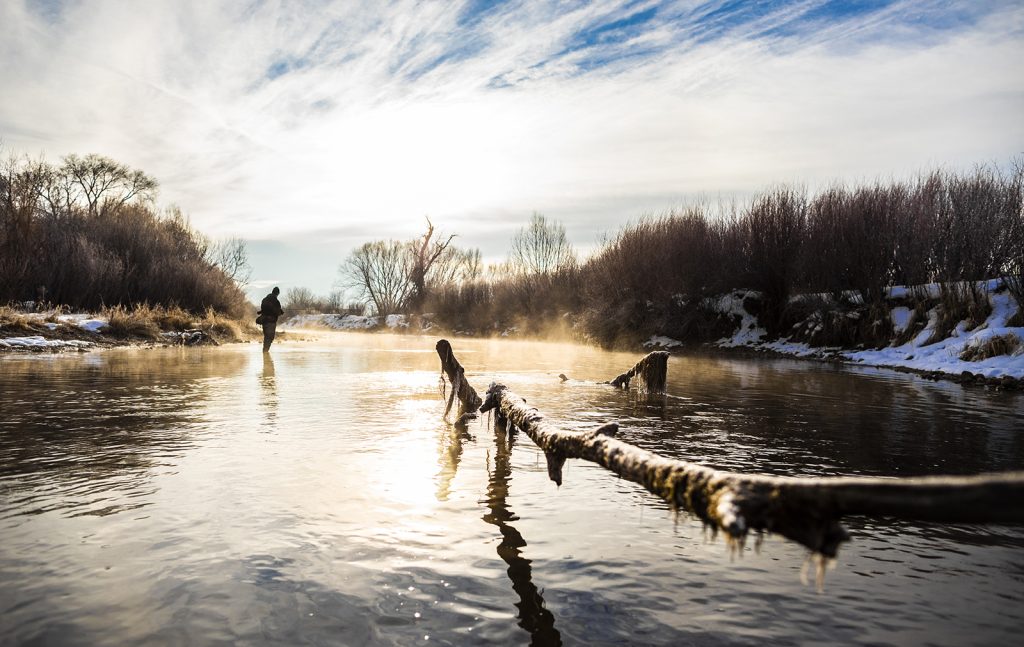
It’s the middle of may and the most important hatch of the year is on. At least in Northern Europe. There are plenty of hatches in the World, where huge insects hatch that can bring the big ones to the surface. In Europe, it’s the Ephemera danica and it’s slightly smaller still water cousin, Ephemera vulgata.
Stoneflies are truly fascinating insects. The fully developed form as we know it today is up to 250 million years old. They are widely distributed and unless you’re fishing on Antartica, it’s likely that there are stoneflies in a river near you. There are over 3000 species registered across globe and they come on all sizes. Some of them are huge, some are very small. If you happen to be an insect nerd and enjoy chasing small critters and can’t wait for the season to get started, there’s actually a lovely small stonefly, Capnia bifrons, that hatches while there’s still snow on the banks.
By far the first insects to appear on the scene when spring arrives are the stoneflies. They start moving even before all the snow and ice is gone. Ice fishing anglers can sometimes be visited by small stonefly nymphs, which crawl out of the holes in the ice they are fishing in. Especially if they are fishing near an outlet of a lake or near a flowing water. Because flowing water is the home of stoneflies, they are adapted to living in and near running water.
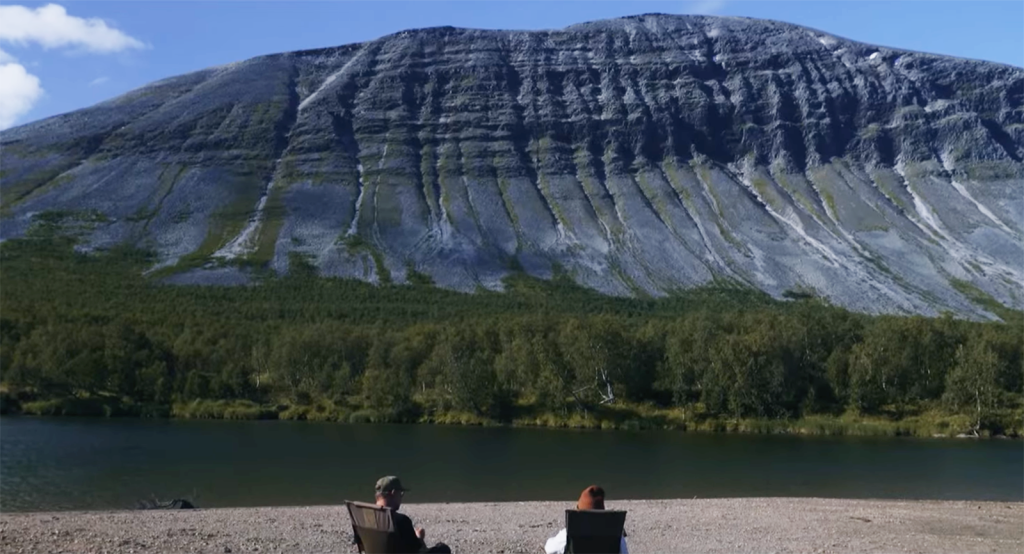
Today we’re pleased to let you know about a movie that our friend, Markus Hoffman, made about his summer fishing in Northern Sweden. It’s a beautiful movie capturing the essence of what it’s like being in the wild of Northern Sweden. Not only fishing there – also just being there.
I’ll let Markus tell you a bit about the movie and recommend you watch it. I really enjoyed it.
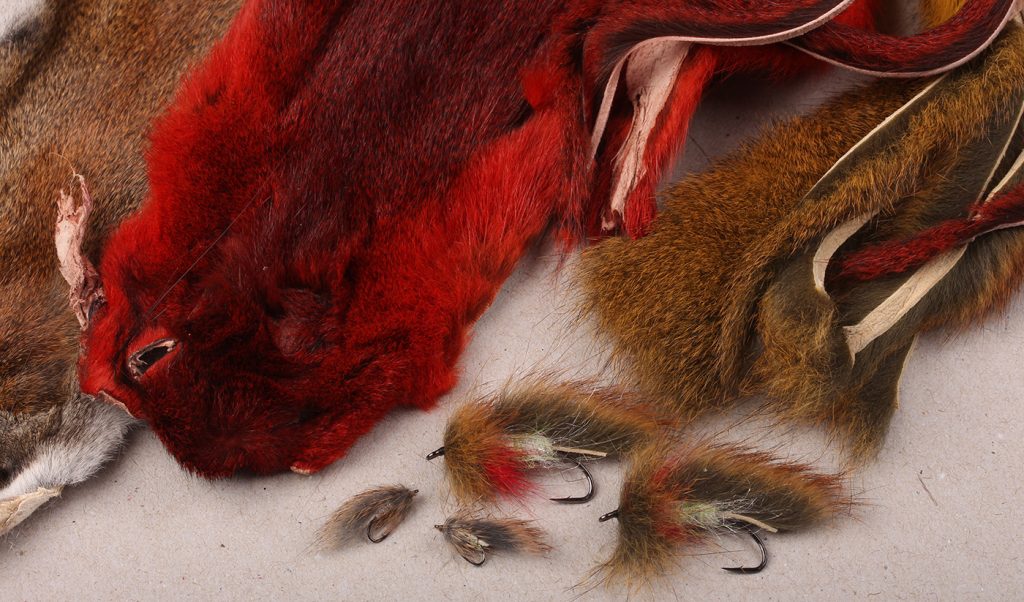
Most of us probably have too many fly tying materials. Do we really need it all? Certainly not, not least because some materials are good for many different flies if you are a little creative. Finding substitutes for original materials became necessary already around the turn of the century, because many materials became hard to get.
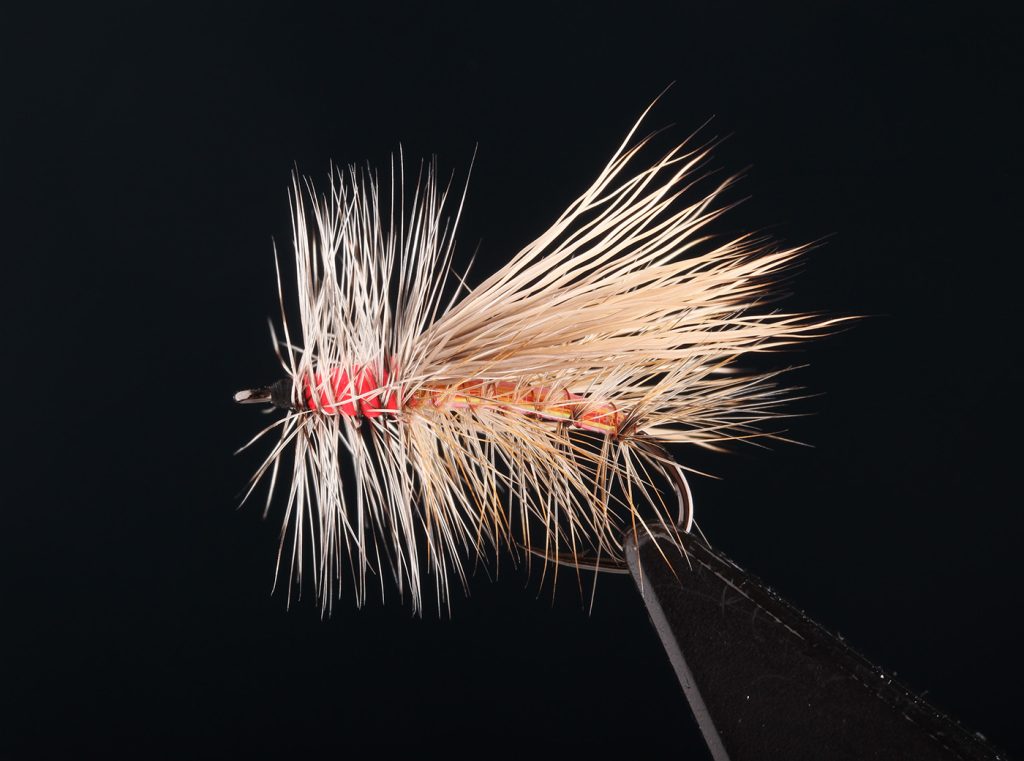
The Stimulator is a very well known fly pattern, especially in North America – and certainly in Montana, where I think it’s impossible to find a fly shop that doesn’t have it in the trays. It might even be hard to a fly box without a Stimulator in it. It’s a very versatile fly and of course not only effective in the US, but on trout everywhere.
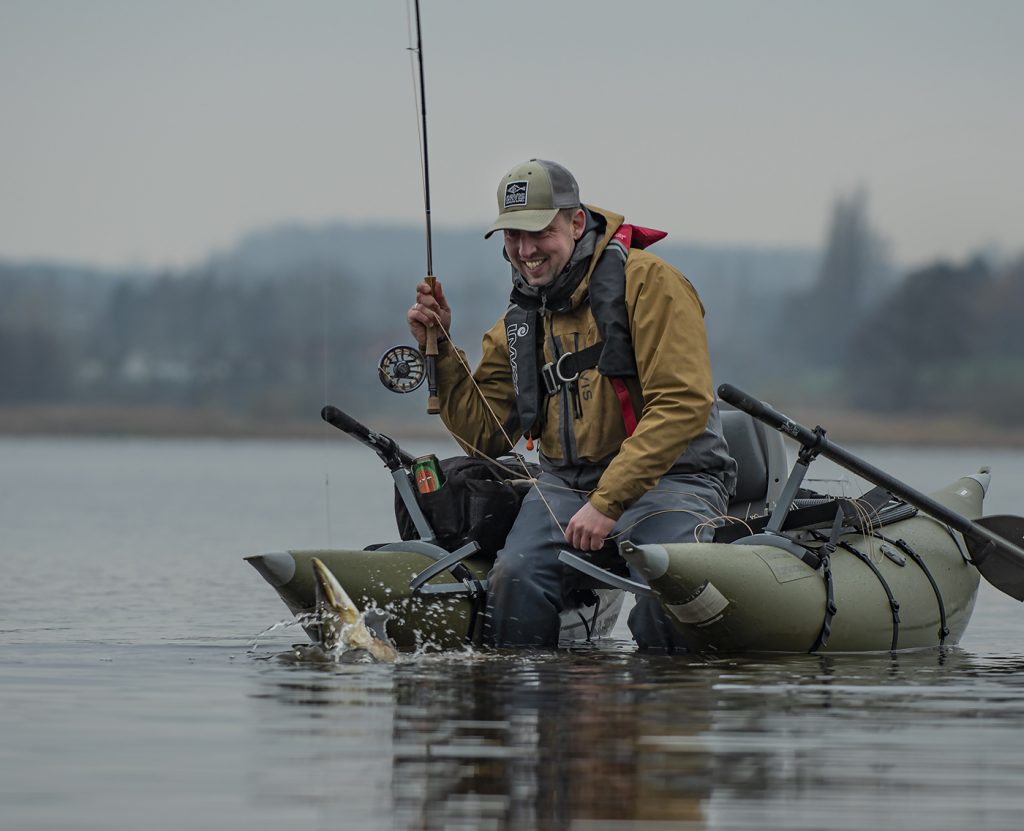
For most in the Northern Hemisphere winter is either here or fast approaching. This doesn’t mean that fishing is over, but I believe that most of us fish a little less and some not at all, perhaps depending on how diverse you are in your fishing. Here in Scandinavia, lots of fly fishers fish for several different species. In the salt, early winter is actually a very good time to chase for one of the elusive, chrome sea trout that skip the spawning run. Pike are also in season and are hungry, busy feeding and getting ready for the slow winter months and cold water.
The question is not how to fish, but why you do it. The author and his fishing buddies do it out of necessity. It’s more important than life and death to them to escape the human world, step in to water and wave a stick. Left on the shore is their misery and worries. Standing in the water they find freedom, healing and occasionally a fish.
Battles are lost and won with tongue in cheek and always celebrated with mountains of cake and an endless stream of fresh espresso coffee. To the band of brothers it’s more important who you fish with than how big the fish is; except for the ones lost.
You may not learn a lot about catching more and bigger fish, but reading these stories is like holding a mirror up in front of yourself getting a little wiser. The small why is a big one.
This artickel is written by Danish photojournalist Søren Skarby
Small is always a matter of context. A small pike fly is infinitely larger than a small trout fly, but no matter the context, small flies are often important to have, often even the deciding factor between and take and a refusal.
Caddis are important prey for trout and grayling. Some species leave their pupal case and swim towards the surface. Here they swim towards shore to hatch on land or in vegetation. They’re fairly big and you can easily see them almost rowing along the surface. This behaviour obviously makes them highly exposed to trout and grayling, but also very fun to fish, because you can skate and twitch the fly, which often triggers quite aggressive strikes. Skating and twitching is often something we strive to avoid when dry fly fishing, but in this case, it’s exactly the way to fish.