
Ephemera Danica and Ephemera Vulgata
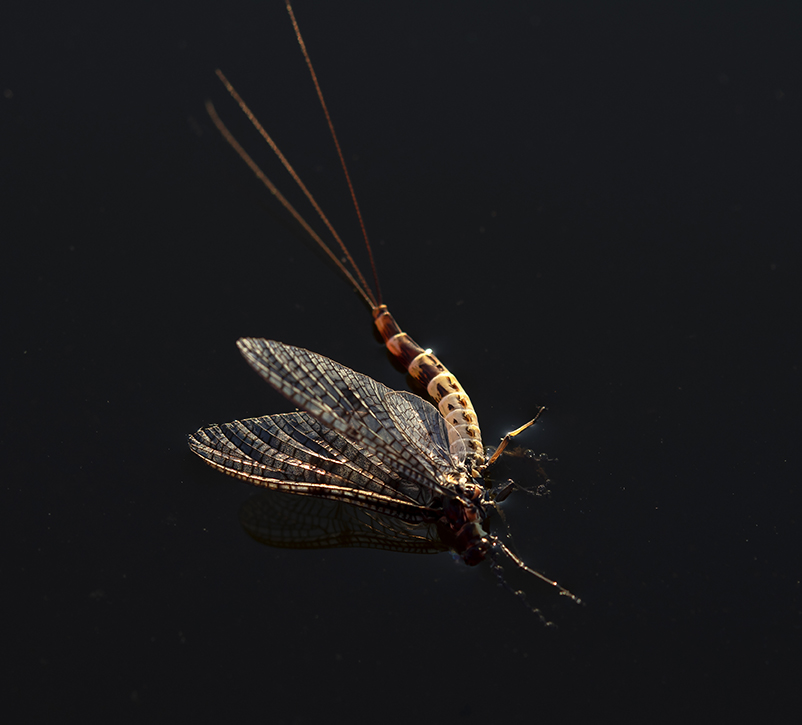
During late spring and early summer, the largest mayflies in our waters, Ephemera danica and Ephemera vulgata, emerge. In English, they are known as mayflies, a term that has become synonymous with all mayfly species, even those that do not hatch during this period. For many fly fishers, a newly emerged mayfly epitomizes fly fishing itself, and it’s easy to understand the fascination with these insects.

Spending most of their lives underwater as nymphs burrowing in the sediment, they live this way for up to two years before progressing to the next stage. Nymphs are rarely exposed to fish, but when it’s time to hatch, they leave the bottom, becoming a sought-after prey due to their size—they can grow up to 25 mm long. Therefore, it’s wise to include nymph imitations in your arsenal, as fish often focus on the rising nymphs even when adult mayflies are visible on the surface.
At the surface, the nymph hangs suspended while the adult mayfly emerges by breaking through its exoskeleton. Depending on the weather and temperature, this process can be short if it’s sunny and warm, or longer if it’s cooler and more humid. Once their wings are dry, the adult mayflies fly to land and undergo another transformation, shedding their initial exoskeleton and becoming spinners. In this stage, they swarm to find a mate. After mating, the males die, while the females return to the water to lay eggs, after which they also perish. The spent females provide an easy meal for hungry fish.

Timing the hatching of these large mayflies is a dream for many anglers. Their size tempts even large fish to rise and feast on emerging or dying mayflies, often creating loud splashes. However, during mass hatches, fish can ignore imitations amidst the abundance of real insects, leaving anglers empty-handed despite waters teeming with rising fish.

Ephemera Danica vs. Ephemera Vulgata
Ephemera danica, also known as the Green Drake, is the larger of the two species. It thrives in running waters with sandy bottoms crucial for the nymph’s survival. These mayflies hatch from May through July or August, depending on location. In northern Sweden, hatching may not occur until mid to late summer.
The smaller Ephemera vulgata, or the Lake Mayfly, prefers still or very slow-moving waters. Both species can coexist in the same rivers, with danica favoring flowing stretches and vulgata inhabiting backwaters or slower sections. Besides their size difference, the two species can be distinguished by their coloration: danica is lighter, with yellow and olive hues, while vulgata is darker, with shades of brown and gray.
Fly Tying and Presentation Tips
A key to success during these hatches is using imitations that are large enough. Flies that are too small are often ignored. A challenge with such large dry flies is that their size can twist a fine tippet. It’s essential to use materials that float well but are not too bulky, minimizing tippet twisting.
Renowned fly fisher and fly tyer Lars Christian Bendsen has designed a simple yet effective imitation, the LCB Danica. This pattern is easy to cast without tangling the tippet and can be adapted in color and size to mimic both species.

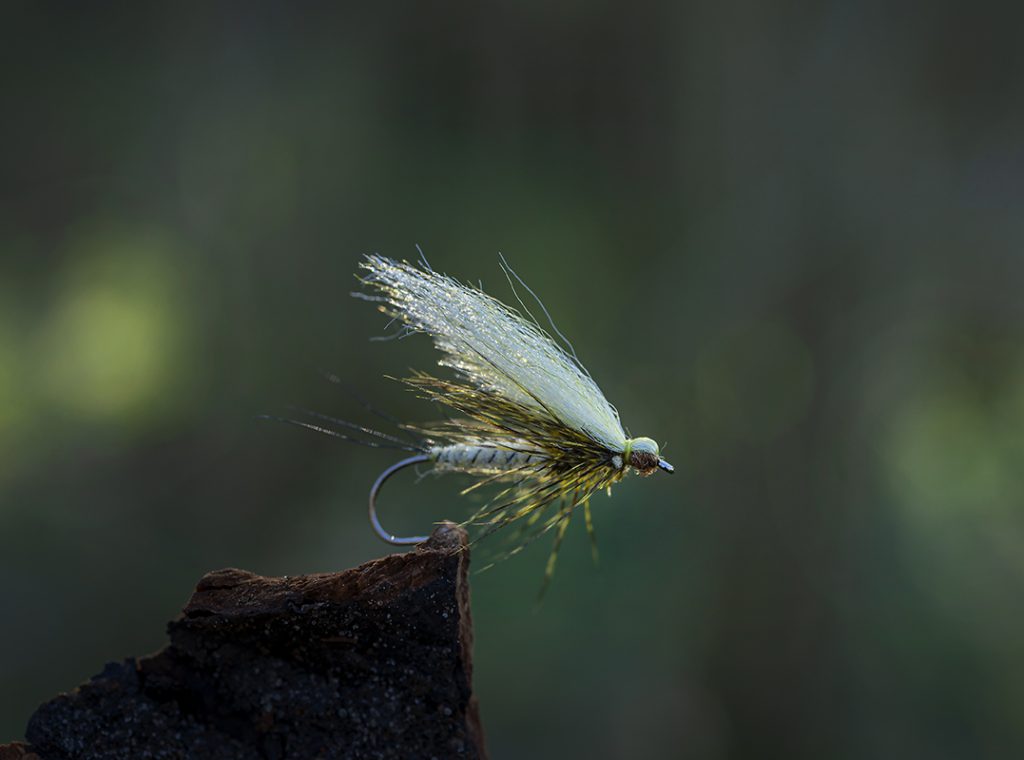
LCB Danica
Hook: Ahrex FW538/539, size 8
Thread: Olive UNI 8/0
Tail: 3 strands Faux Bucktail (or Moose Mane), black
Body: Fly Rite Poly Seal, Tan
Ribbing: Black tying thread
Thorax: Fly Rite #32 Rusty Olive
Hackle: Whiting Coq de Leon hen, dyed yellow
Head: Fly Rite #32 Rusty Olive
Wing: White and olive blended polygarn
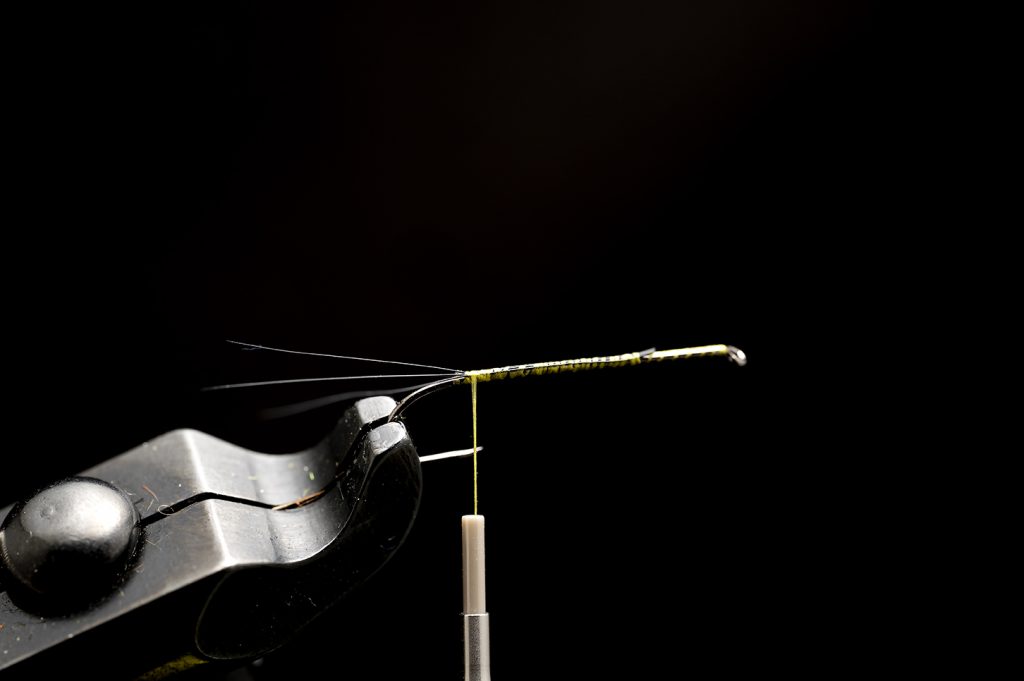
Attach the thread and wind back to the hook bend. Tie in 3 strands of Faux Bucktail (or Moose Mane) and separate them with the thread. Wrap 1-2 turns between the strands to fan them out.
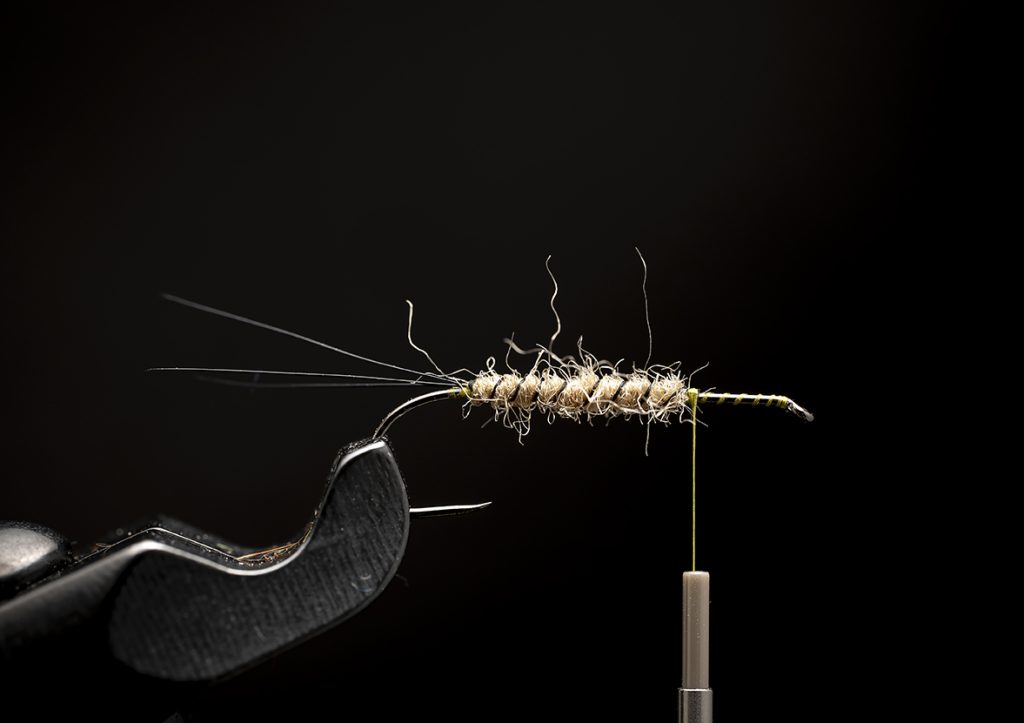
Tie in the ribbing and dub the thread. Create a body that covers approximately two-thirds of the hook shank. Rib the body with the black thread, wrapping in the opposite direction. Secure and trim.
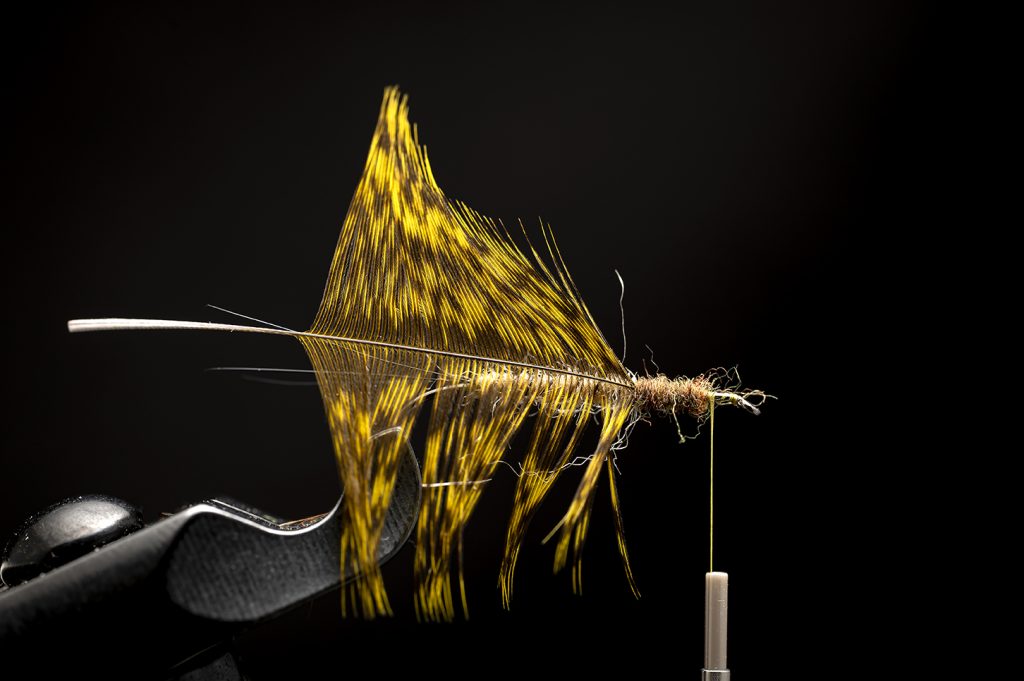
Select a hen hackle, stroke the fibers backward, and tie in the tip just before the body. Dub the thread with darker dubbing and create a thorax, leaving room for the head.
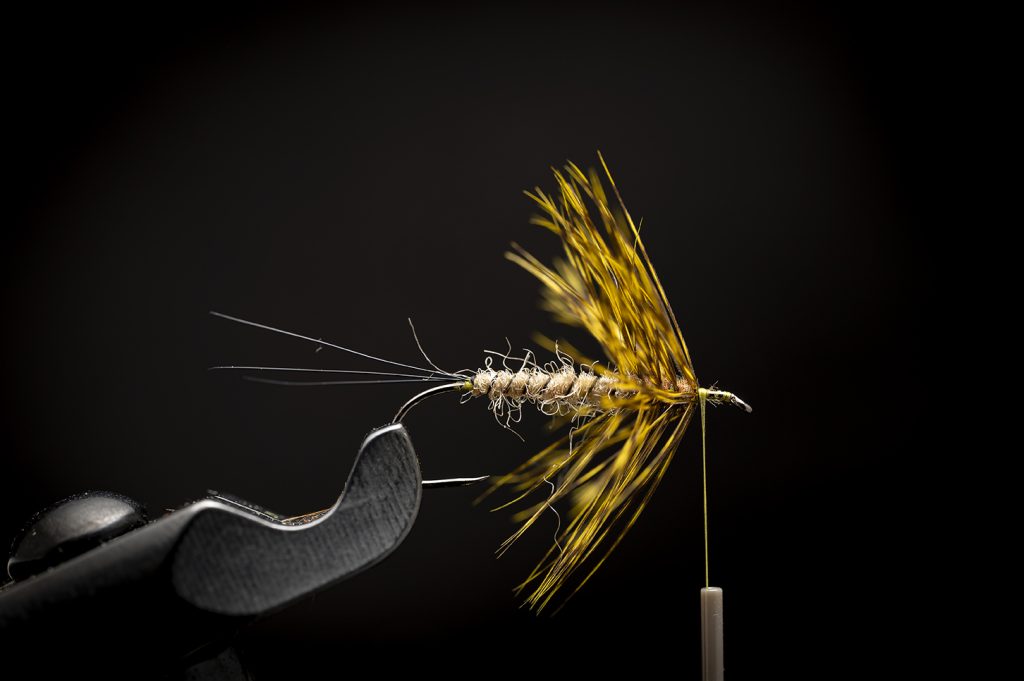
Wrap the hackle forward. Since the underside will be trimmed, you can make several wraps.
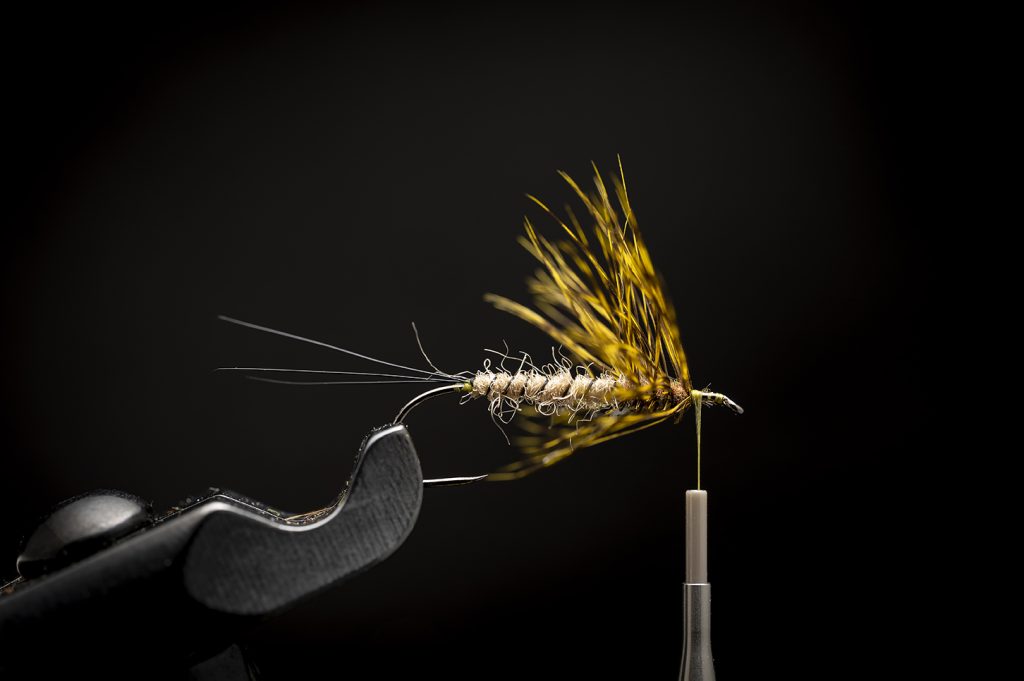
Trim the hackle fibers underneath to ensure the fly lands correctly on the water.
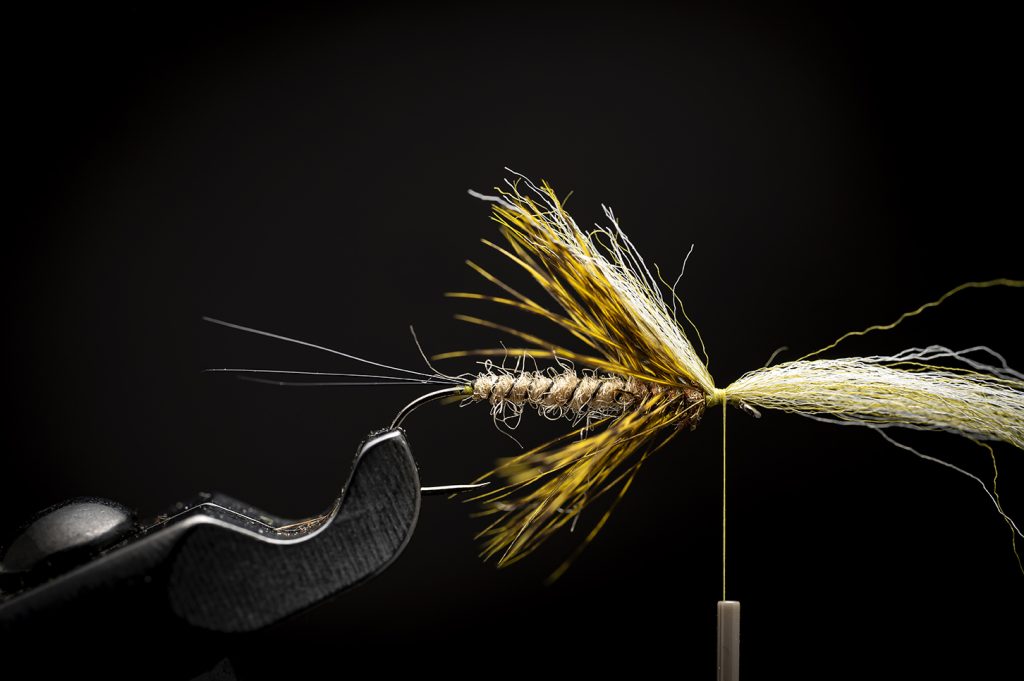
Blend white and olive polygarn for the wing. Fold the bundle in half and tie it in just before the hackle. The wing should be slightly longer than the hackle fibers. Bind the polygarn along the shank to the hook eye, leaving the excess pointing forward.
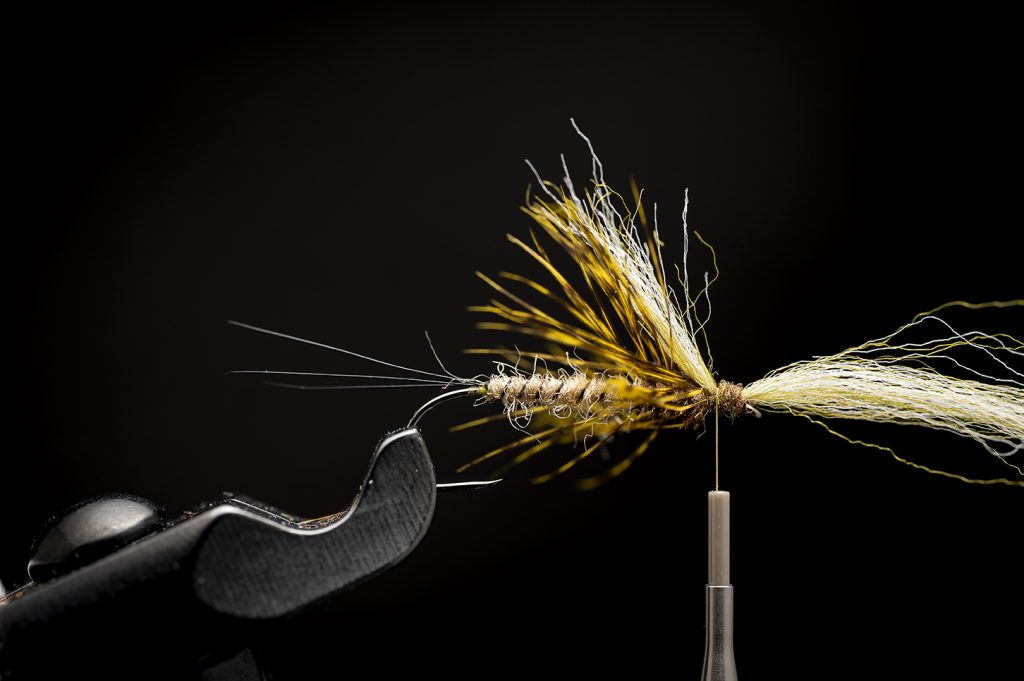
Dub the thread and wrap a small head between the hackle and hook eye.
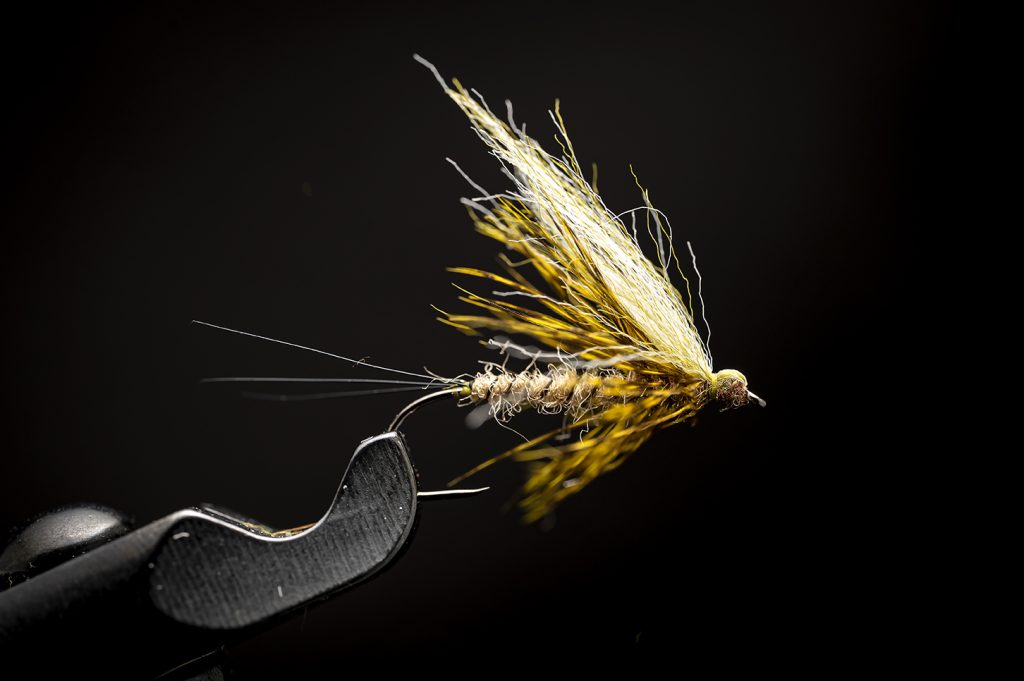
Fold the wing backward and secure it. Finish with a whip finish and trim the thread. Taper the wing tips for a more natural appearance.
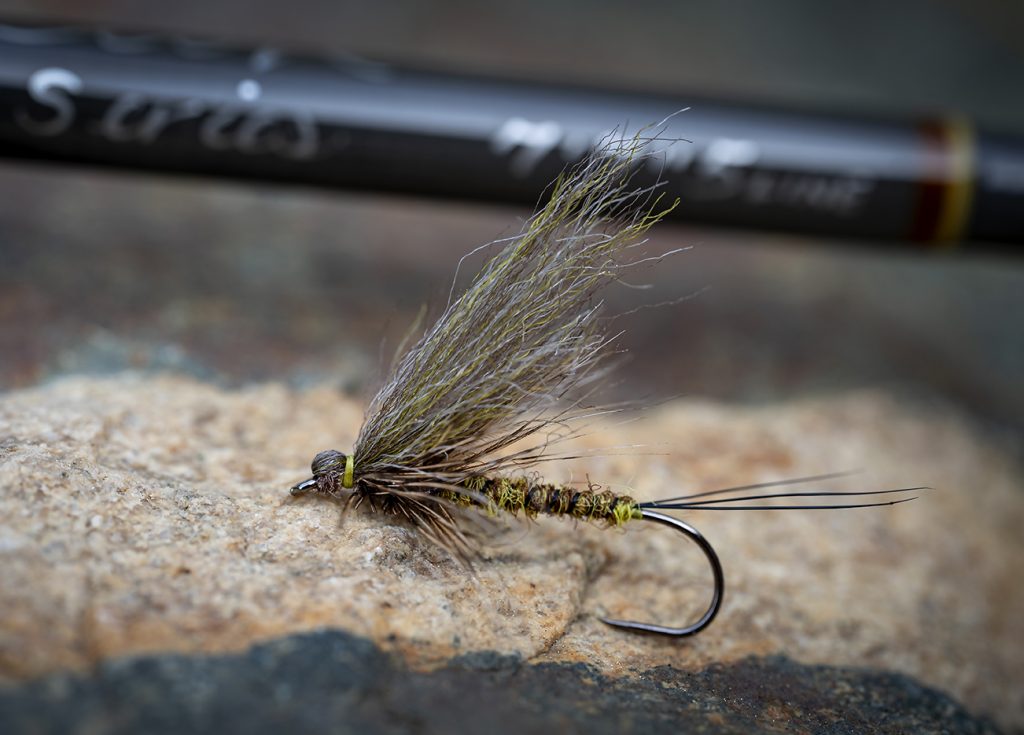
LCB Vulgata
To tie an Ephemera vulgata imitation, use the same pattern with slight modifications:
Hook: Ahrex FW538/539, size 10
Thread: Olive UNI 8/0
Tail: 3 strands Faux Bucktail (or Moose Mane), black
Body: Fly Rite #34 Quill Gordon/Brown Drake Yellow
Ribbing: Black tying thread
Thorax: Fly Rite #39 Medium Dun Brown
Hackle: Whiting Coq de Leon hen, dyed brown
Head: Fly Rite #39 Medium Dun Brown
Wing: Brown, gray, and olive polygarn
This adaptable and straightforward pattern ensures anglers are prepared to imitate these iconic mayflies successfully.