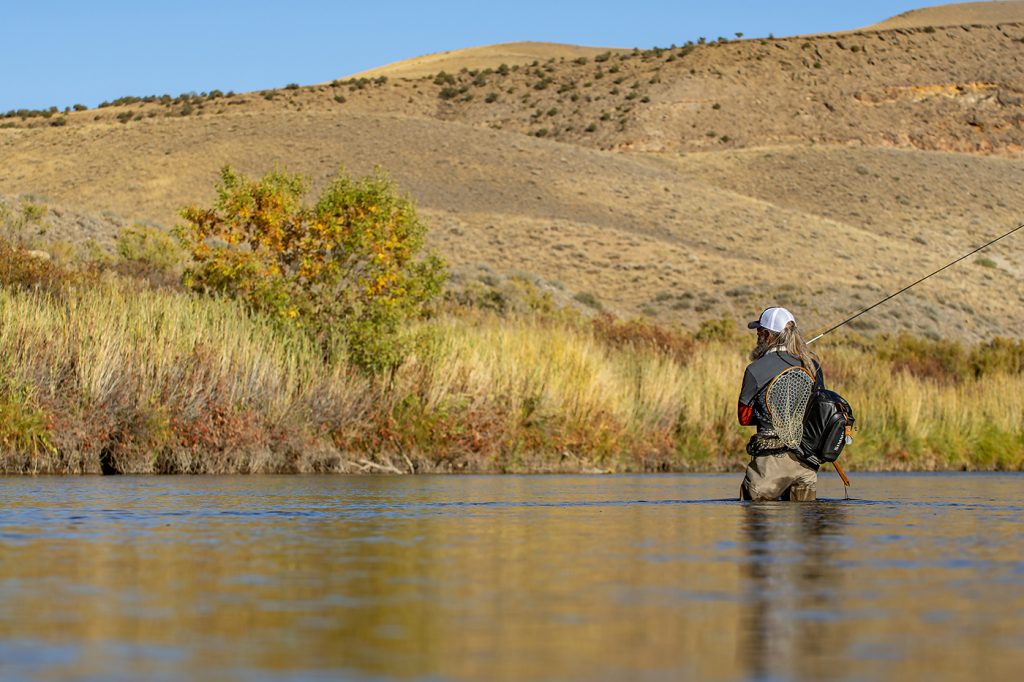
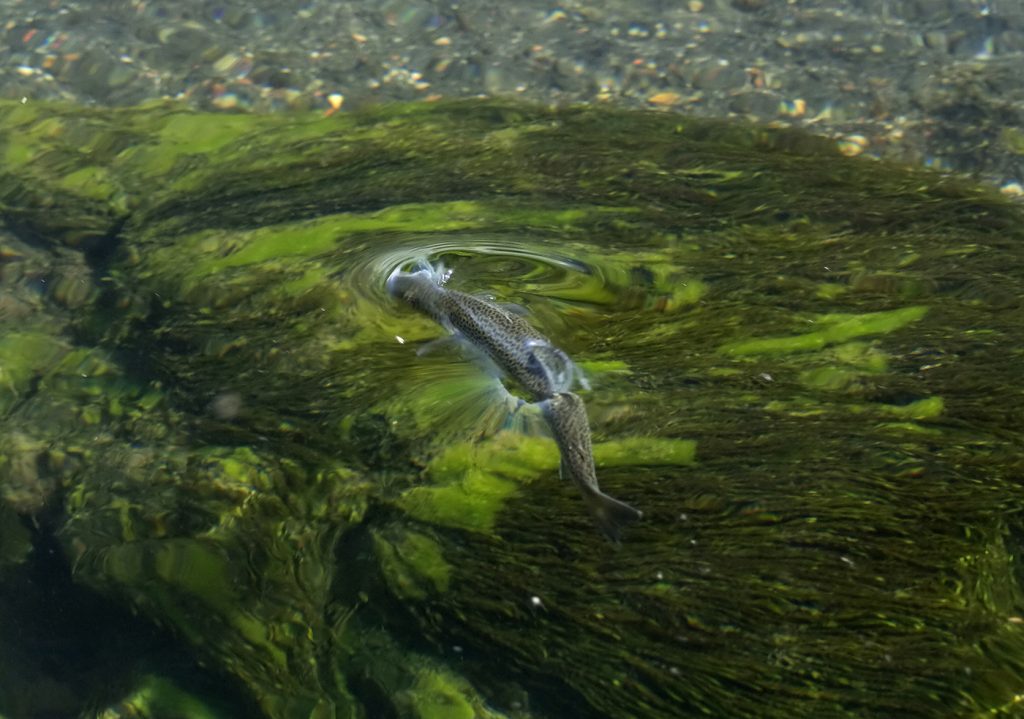
In late summer when it’s hot and dry, trout fishing possibilities are limited. Trout are rarely active when the sun and the heat is high. It’s not impossible to catch them, though, especially if you restrict your activity to the evenings.
Soft hackles, also commonly called spiders, are traditionally unweighted flies fished on, in or just under the surface film. Simple flies most often consisting of only a body and a hackle, every now and then a rib. They can be as deadly as they are simple.
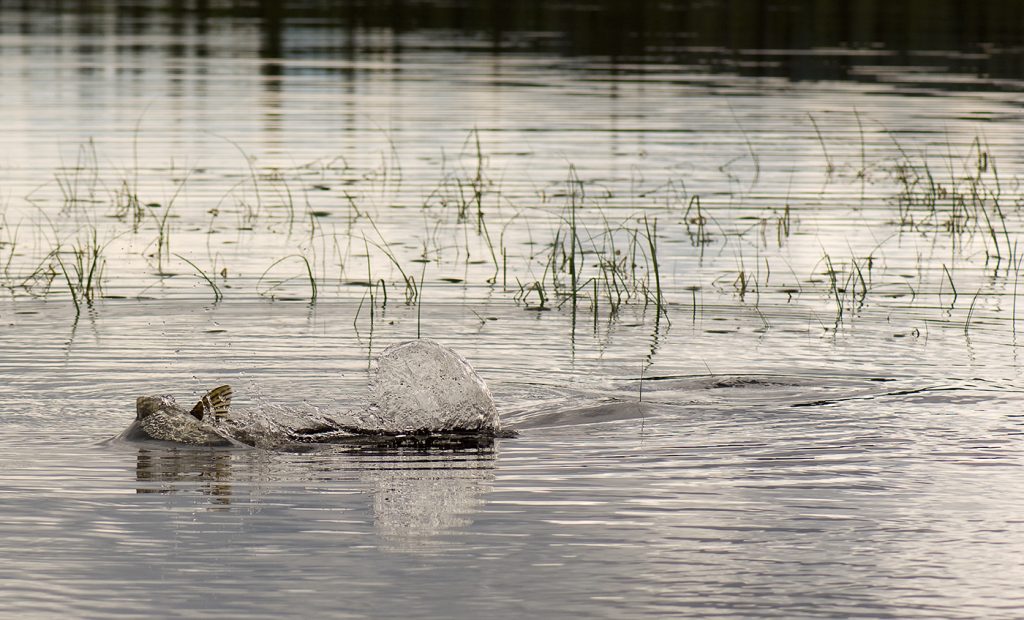
The sight of a beautiful trout or grayling rising majestically to the surface inhaling an insect is the highlight of many flyfishers dream – the sight that drives us off to the water again and again.
Once you mention the phrase, “10 Must-Have-Flies”, that list is obviously going to be different depending on what you’re fishing for, when you’re fishing, where you’re fishing, weather conditions, water level, water clarity – and of course, who you ask. I think you understand – there are no “10 Must-Have_Flies” for anything. But there are of course flies you really should have and if you’re fishing trout and grayling, particularly in or around (but not restricted to) woods and wooded areas, an ant imitation is one of them.
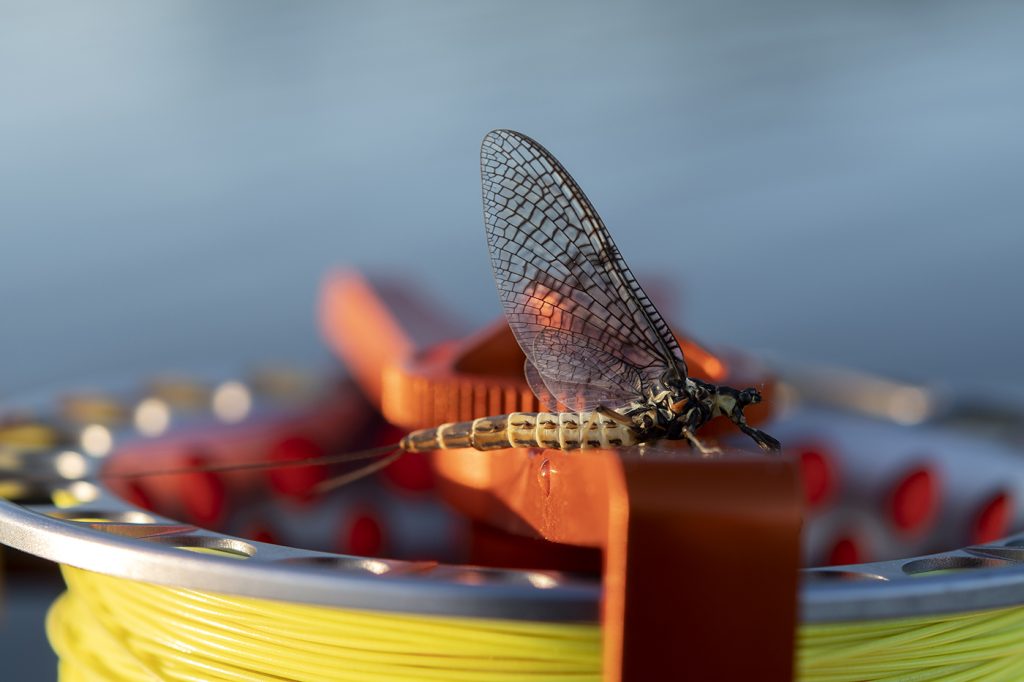
The two largest mayflies that hatch in Scandinavia are the E. Danica and it’s still water relative, E. Vulgata. Most commonly they are simply referred to as “may flies”. In this article, Andreas Larsson tells you more or less everything you need to know about the E. Vulgata, the imitations and the few tips on how to succeed in a hatch.
Many flyfishers are looking for the time when the big mayflies, E. Danica and E. vulgata, start to hatch in late spring and early summer. The image of a big newly hatched mayfly dun swirling down the stream or standing on the surface of a small lake, is for many of us the true picture of what flyfishing is all about. And it is great fun to see, when also the biggest fish lower their guard and start chasing those big flies. But in Stillwater, there as time that are even more fun to experience and that’s when the big Caddis flies begin to show, running the surface to safer ground.
Not mayflies as such – but the mayfly, the E. Danica and it’s stillwater relative, E. Vulgata are hatching now – or will be in a matter of days. Writing a blog can be many things and repetitive to a degree is one of them. There are seasonal highlights that deserve a spot on the blog every year and I believe we’ve covered the big mayfly hatch every year since the blog began.
There are many fly fishers and many have different tastes and preferences. Salmon on the hitch, grayling on a deep nymph, trout on streamers and so on. But I think all fly fishers enjoy visible, vicious takes on the surface, whether on a foam beetle or a popper. Right now is perfect pop-pop-pop-time.
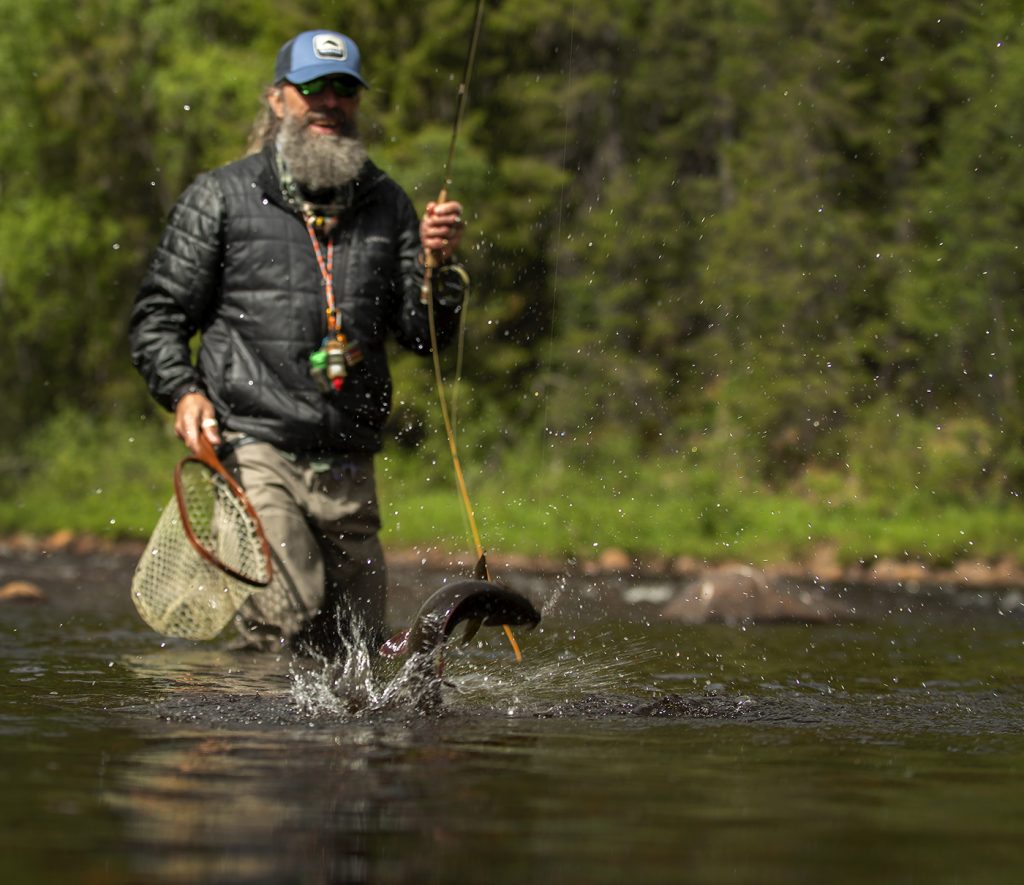
Last week we released a new portait of our good friend, Stefan Larsson. Stefan Larsson doesn’t look like the typical fly fisher – nor is he the typical fly fisher. Long beard, lots of fingerrings and necklaces, smoking cigars and sometimes heard calling for Simms in the woods. That’s not because he’s lost his waders, but because his dog is called Simms.
To me there are few flies that embody the whole essence of “a fly” as old, classic wet flies. There are plenty, hundreds, to choose from and I’ve featured some of them in previous posts. A few decades ago, most new fly tiers began with a Red Tag and once the basic techniques were in place, next on the agenda was learning to tie feather wings. Usually the subject was a March Brown wet. It’s simple (until you get to wings), catches well and challenges the fly tier. Hen pheasant wing slips aren’t hard for the experienced fly tier, but they’re not the easiest either.